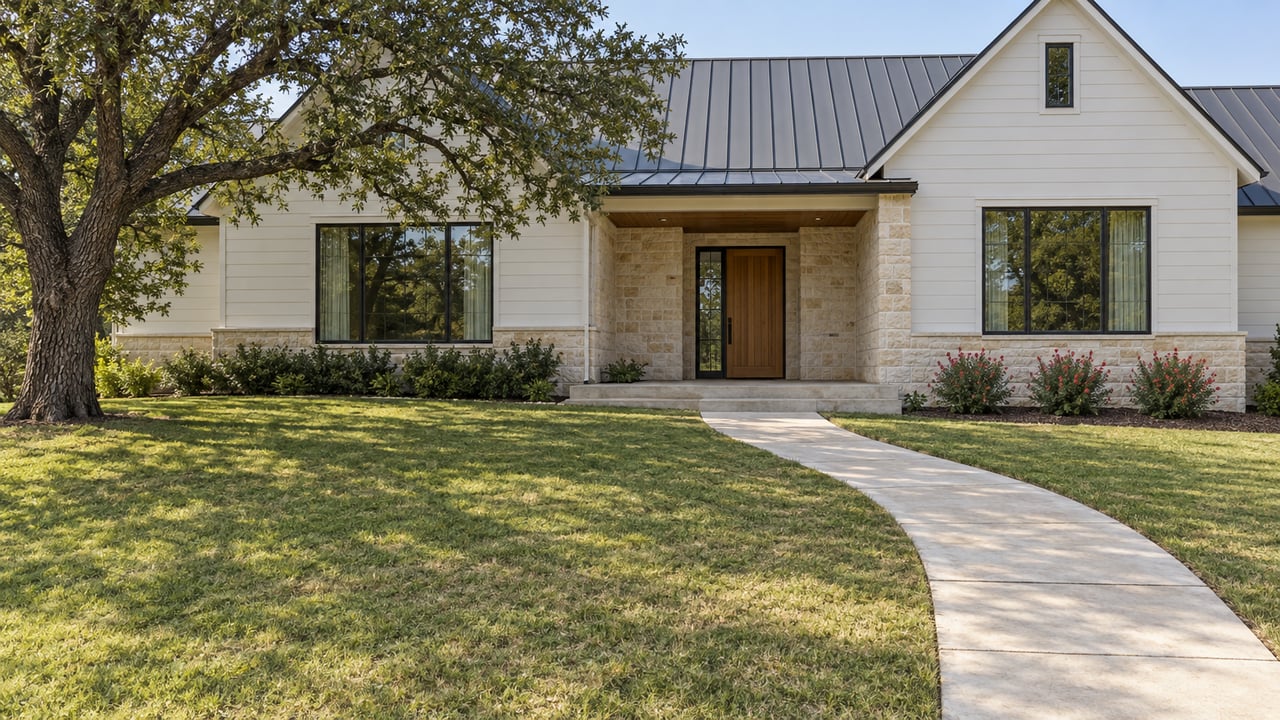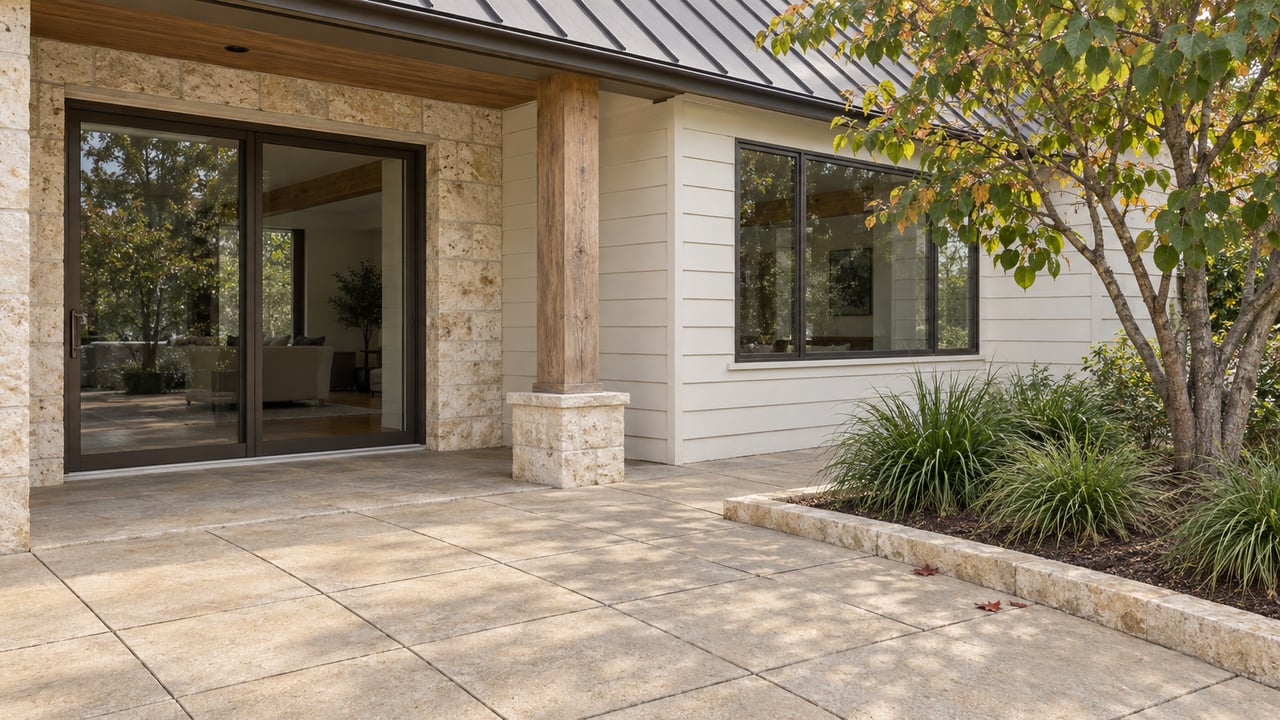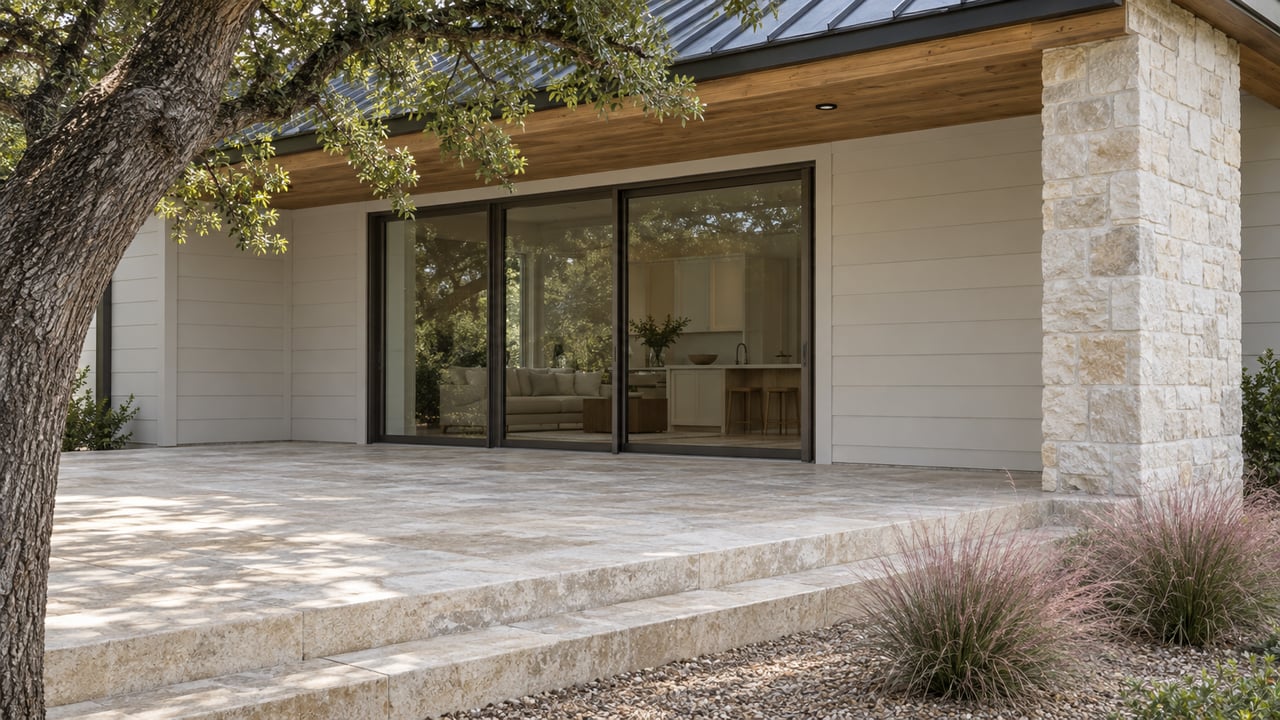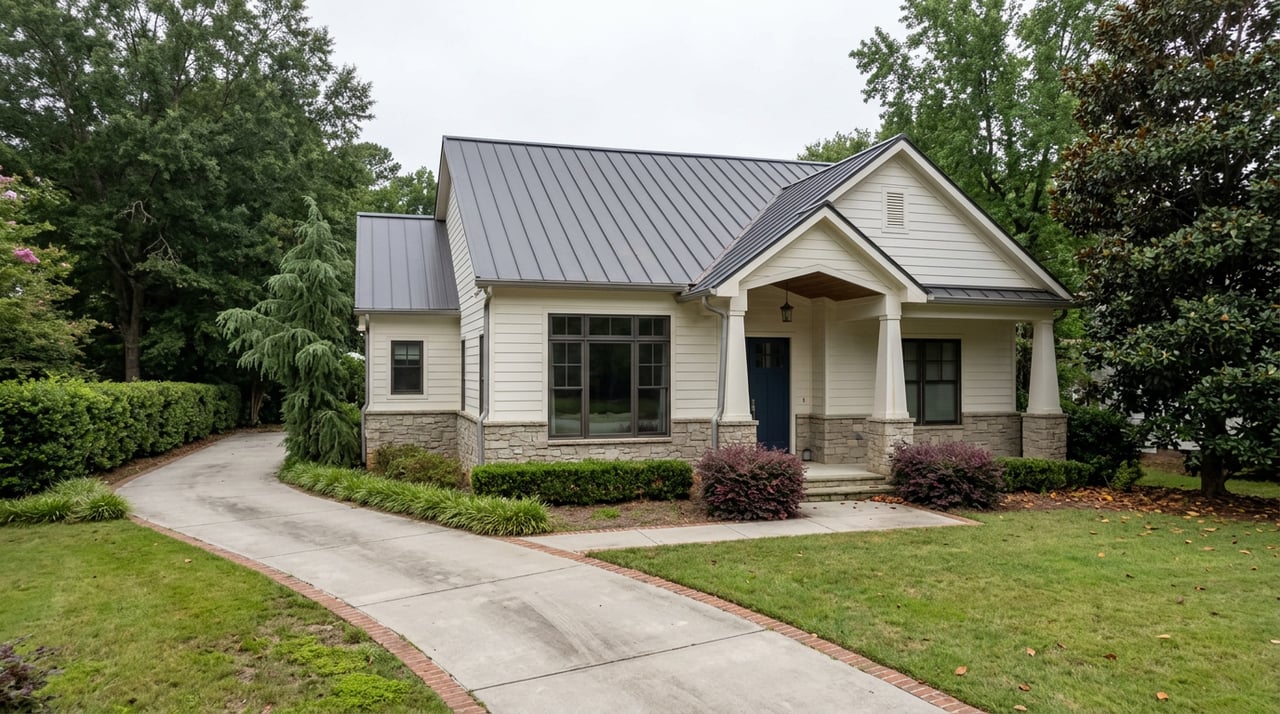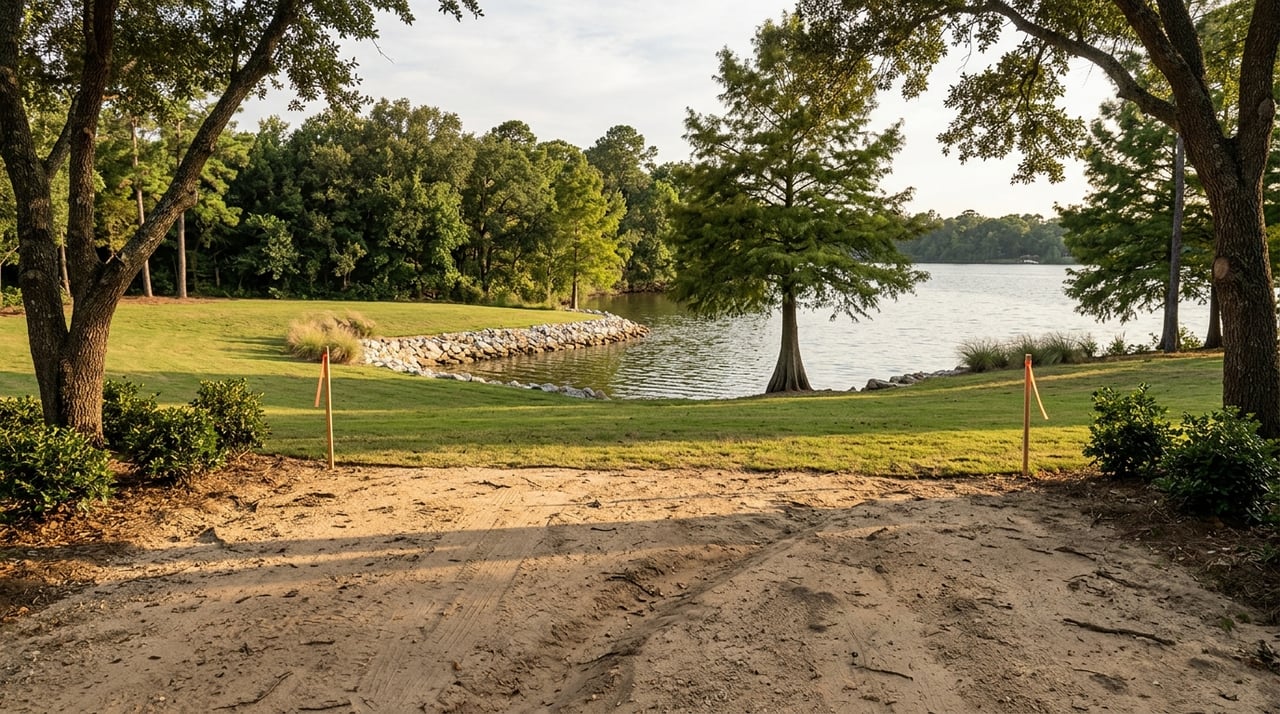
Choosing a homesite at The Groves can feel exciting and overwhelming at the same time. You are not just picking a view. You are choosing how you want to enjoy the lake every weekend, every season, and possibly every day. If you want to make a smart decision, it helps to look beyond the brochure and compare how each lot will actually live. Let’s dive in.
Start With Your Lake Lifestyle
Before you compare lot numbers, start with how you want to use the property. Some buyers want wide-open water views and a dramatic setting for outdoor entertaining. Others care more about a quieter shoreline, easier dock use, and a more sheltered feel on windy days.
At The Groves at Cedar Creek Lake, the public homesite information separates open water lots from private cove lots. That matters because the best homesite is not always the one with the biggest view. It is the one that supports your day-to-day lake lifestyle.
Open Water vs Coves
Open water lots are generally about bigger views and a stronger visual connection to the lake. They can feel expansive and impressive, especially on premium point homesites. For example, Homesite 1 is described as an open-water point homesite with 0.589 acres and 200 feet of platted waterfront.
Cove lots are often positioned as quieter and more wind-sheltered. That can affect how comfortable your dock feels, how your outdoor spaces function, and how protected your shoreline setup may be. Homesites like 16 and 17 show how cove lots can still offer deep water, walk-out potential, and strong views.
Compare Shoreline, Not Just Acreage
A lot’s acreage only tells part of the story. At The Groves, published homesite details place a strong emphasis on shoreline and overall lot size, and those numbers can vary in ways that meaningfully affect your options.
The public listings show homesites with shoreline lengths ranging from 91 feet to much larger premium offerings. That difference can impact where the house sits, how the driveway lays out, whether a pool fits comfortably, and how easily a boathouse can be placed.
Ask for the Build Envelope
When you evaluate a homesite, ask for the plat, survey, and build envelope before reserving it. A larger acreage number does not always mean a better or easier homesite. A lot can look generous on paper and still have a narrow usable pad or tight dock access.
You also want to understand how setbacks shape the real building area. The combination of shoreline width, lot depth, and required spacing often matters more than the headline acreage.
Evaluate Boathouse Feasibility Early
At The Groves, private boathouses are part of the appeal. But that does not mean every lot will support every boathouse layout equally well. You want to study dock and boathouse feasibility at the same time you study the house site.
For Cedar Creek Lake shoreline improvements, Tarrant Regional Water District, or TRWD, is the key permitting authority. TRWD requires a permit for any structure, improvement, or excavation or fill at or below elevation 325.00 feet msl.
Know the TRWD Rules That Matter
TRWD’s Cedar Creek guidance requires drawings that show:
- Shoreline length
- Side-line setbacks at the shoreline
- Side-line setbacks at the end of the structure
- Distance the structure extends into the reservoir
- Slip orientation
TRWD also sets a 5-foot minimum setback from property lines for most structures. For structures over 1,200 square feet, the setback increases to 20 feet.
That is why shoreline shape matters so much. A lot with plenty of frontage may offer more flexibility for boathouse placement, while an irregular shoreline may limit your options even if the view is excellent.
Important Boathouse Limits
TRWD’s Cedar Creek rules also prohibit:
- Enclosed structures
- Living quarters over water
- Toilets on the structure
- Fuel-pumping facilities on non-commercial structures
If a structure extends more than 50 feet from the shoreline, lights are required. TRWD also notes that its permit does not replace any other applicable federal, state, county, city, or deed-restriction requirements.
One more point matters for buyers. TRWD states that if a residence cannot be built or placed on a lot, an improvement may not be permitted for that property. In practical terms, that means your house pad and your boathouse plan need to work together from the beginning.
Look Closely At Trees and Orientation
Mature trees are a defining feature at The Groves. They add beauty, shade, and character, but they also affect how the homesite functions.
Tree placement can shape privacy, lake views, outdoor comfort, and even the location of the home and boathouse. Before you commit to a lot, ask which trees are intended to stay and which may be removable.
Sunrise, Shade, and Afternoon Sun
Some public listings specifically mention sunrise-facing lots. That detail is easy to overlook, but it can have a big effect on your experience.
A sunrise-facing lot may give you softer morning light and a different patio experience than a lot exposed to stronger afternoon sun. If you plan to spend long hours outdoors, orientation can matter almost as much as the view itself.
Match the Floor Plan to the Lot
One of the biggest mistakes buyers make is falling in love with a floor plan before confirming it suits the site. At The Groves, the public homesite page says buyers can choose from up to six floor plans, and each home includes customization options.
That flexibility is a real advantage, but it also means you need to think carefully about fit. The lot should help drive the plan choice, not the other way around.
Pay Attention to Grade and Walk-Out Potential
Some homesites are described as walk-out lots, and the Cedar floor plan is described as curated for inner cove homesites with a lower-level walkout. That suggests topography and slope can strongly influence which plan makes sense.
A walk-out lot may support a very different layout than a flatter homesite. If the lot slopes toward the water, that may create opportunities for lower-level access, outdoor entertaining zones, or a stronger connection between the home and boathouse.
Think Beyond the House Footprint
When you evaluate a homesite, do not stop at whether the house fits. Think about everything else you want the property to include.
After the home and boathouse are placed, you may still want room for a pool, covered porch, outdoor kitchen, guest parking, garage storage, and comfortable circulation around the house. That remaining usable space is often what separates a good lot from a great one.
Homesite 13 is a strong example of how lot planning affects lifestyle. Its finished-home listing described a protected-cove lot with 111 feet of platted waterfront, a 900-plus-square-foot boathouse, a 382-square-foot covered porch, and room for a pool on about 0.466 acres.
Confirm Builder and Approval Details
Builder flexibility can also affect your decision. The public homesite information says buyers may choose from up to six floor plans and that homes are customizable. One homesite page also notes that a buyer may use a builder of choice with developer approval.
If you already have a preferred builder or a specific design in mind, confirm that early. The lot, the plan, and the approval path all need to align before you move forward.
A Simple Homesite Comparison Checklist
If you are narrowing down a few options, use this checklist to compare them side by side:
- Is the lot on open water, a wide cove, a protected cove, or a walk-out setting?
- What is the exact platted waterfront and total lot size?
- What does the usable build envelope look like?
- How exposed is the lot to wind and wake?
- Does the lot face sunrise or stronger afternoon sun?
- Which mature trees are expected to remain?
- Can your preferred house plan fit the lot’s grade and layout?
- Can your desired boathouse fit under TRWD rules?
- How much usable space remains for a pool, outdoor living, and parking?
- If you want a specific builder, is developer approval required?
The Best Lot Is the One That Works Together
At The Groves, the strongest homesite is not always the one with the longest shoreline or the biggest open-water view. It is the one where water exposure, shoreline length, orientation, trees, slope, and boathouse feasibility all support the way you want to live at the lake.
That is where local guidance can make a real difference. When you compare homesites through the lens of daily use, not just first impressions, you are far more likely to choose a property that feels right long after closing.
If you are comparing lots at The Groves and want help thinking through shoreline, dock placement, floor plan fit, and everyday lake living, the Debbie French Real Estate Group is here to help you make a confident move.
FAQs
What should you compare first when evaluating a homesite at The Groves?
- Start by comparing whether the lot is open water, a wide cove, a protected cove, or a walk-out lot, since that affects views, wind exposure, dock protection, and daily use.
Why does shoreline length matter at The Groves?
- Shoreline length can affect how much flexibility you have for the home, boathouse, pool, driveway, and outdoor living areas, so it is often more important than acreage alone.
What boathouse rules apply to homesites at The Groves at Cedar Creek Lake?
- TRWD requires permits for shoreline improvements at or below elevation 325.00 feet msl and sets rules for setbacks, drawings, structure size, and other design limits.
How do trees and lot orientation affect a homesite at The Groves?
- Mature trees and lot orientation can change shade, privacy, sightlines, and sun exposure, which directly affect outdoor comfort and where the house and boathouse may fit best.
Why should you ask about build envelopes before reserving a homesite at The Groves?
- The build envelope helps you see the actual usable area for the home and other features, which may be more important than the published acreage number.
Can every floor plan work on every homesite at The Groves?
- No, because slope, topography, walk-out potential, shoreline shape, and boathouse placement can all influence which floor plan is the best fit for a specific lot.