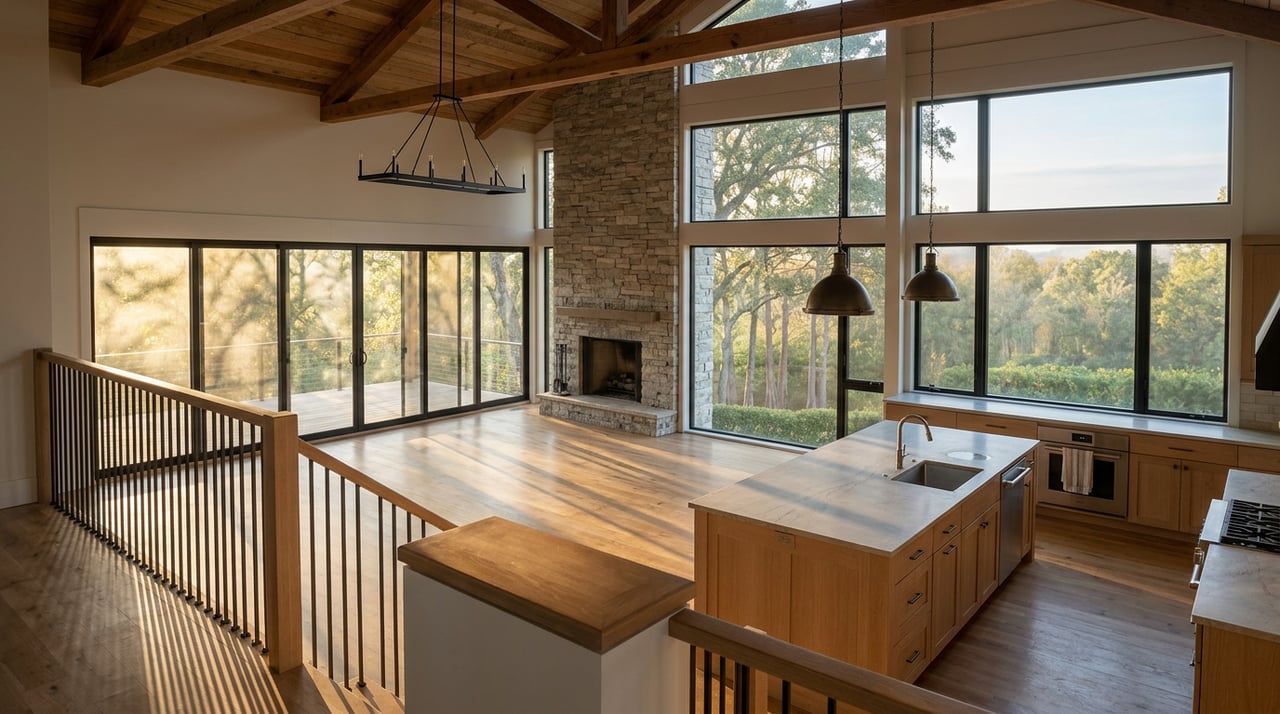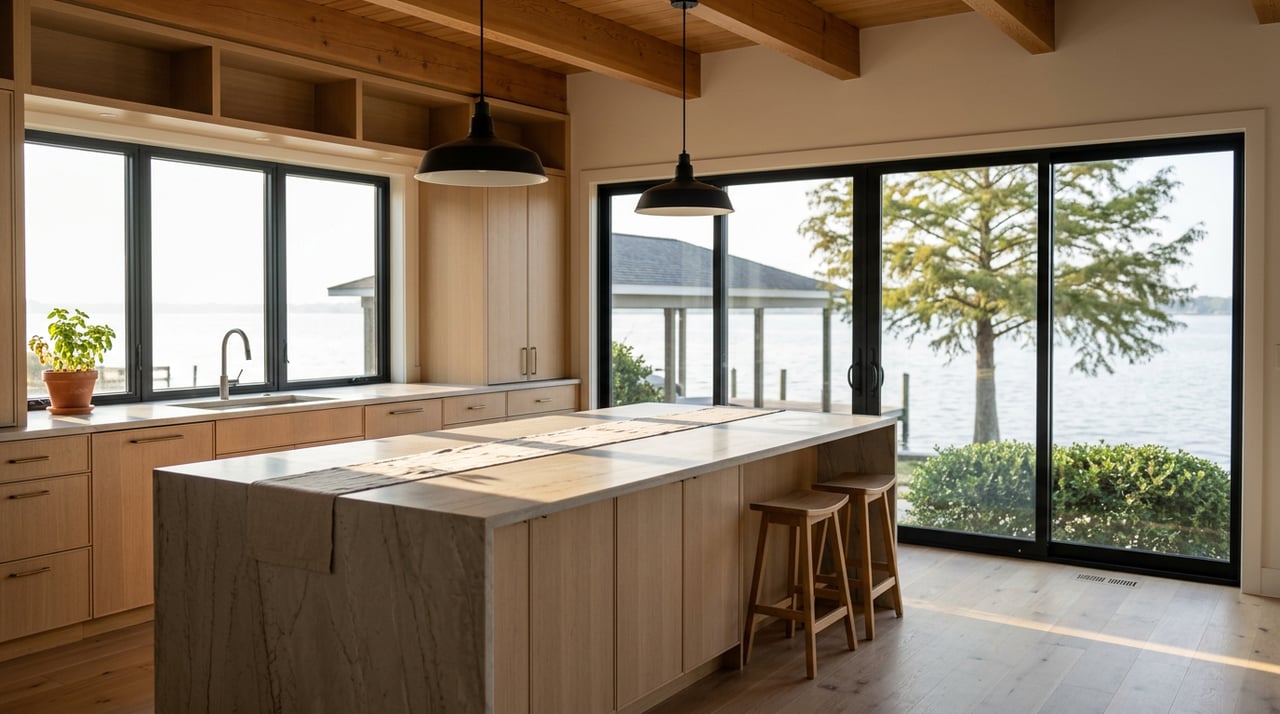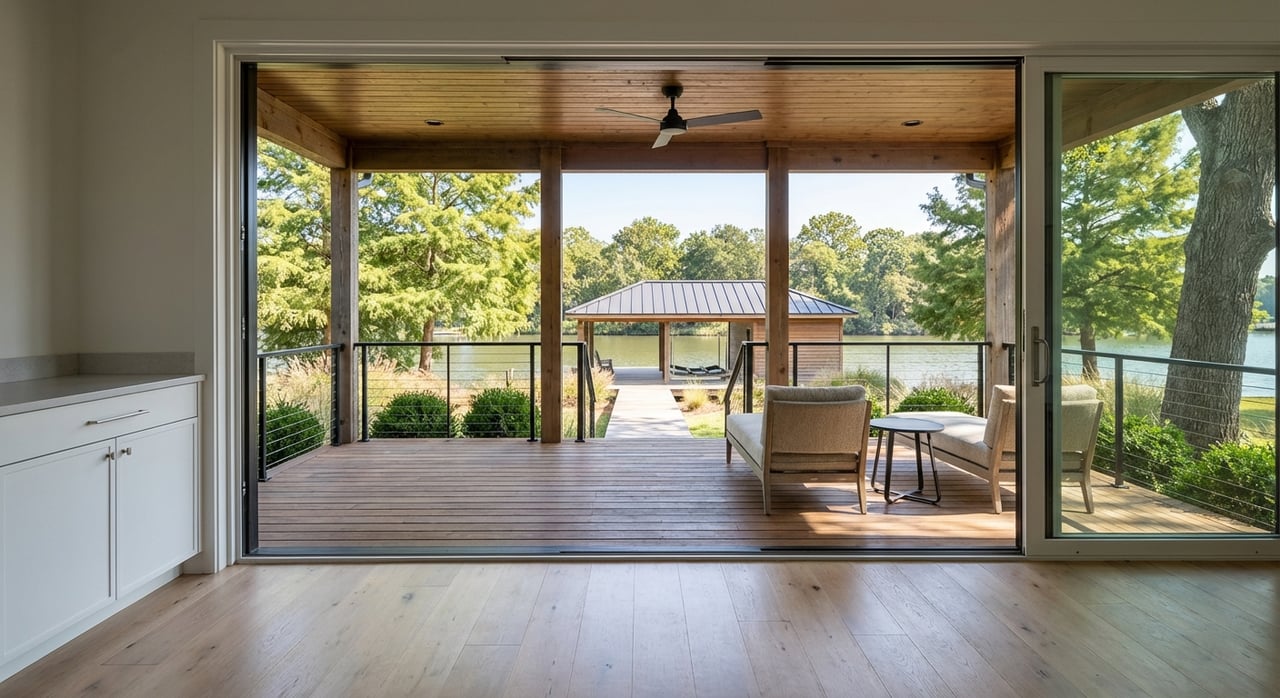
Picture this: sunset on Cedar Creek Lake, a cool breeze, and your boat ready for a quick evening cruise. Now the big question hits. Do you need a waterfront home to live that life, or would an off-water property in Mabank fit just as well? You are not alone if you feel torn. The right choice comes down to access, costs, rules, and how you plan to use the lake.
In this guide, you will learn the key tradeoffs at Cedar Creek Lake, what really drives prices, the permits and insurance to know, and a step-by-step checklist to compare options. Let’s dive in.
Waterfront vs off-water basics
Cedar Creek Lake, officially Cedar Creek Reservoir, spans roughly 32,873 acres and is managed by the Tarrant Regional Water District (TRWD). TRWD publishes lake information and controls shoreline improvement permits, so its rules matter if you want a dock or boathouse. You can explore lake details and contacts on the TRWD page for Cedar Creek Lake.
Here is what “waterfront” can include in the Mabank area:
- Private deeded dock or boathouse on the lot, often the most convenient for daily boating.
- Community or HOA access with a shared dock or ramp. These can have rules, waitlists, and fees.
- No private dock but an easement to a neighborhood launch or a nearby public ramp.
- Marina slip rental, which adds recurring cost and depends on availability.
If you plan to rely on public or private marinas, confirm hours, parking, fees, and slip options ahead of time. The Texas Parks & Wildlife page lists public ramps and marina access.
What drives price in Mabank
Waterfront carries a premium, but the size of that premium varies by the lot and the view. On Cedar Creek Lake, price is influenced by:
- Shoreline quality: protected cove versus open water exposure and wave action.
- Water depth at the dock and the ability to permit a boathouse.
- Lot size, privacy, and linear feet of frontage.
- Neighborhood and HOA rules that shape what you can build.
Public aggregator medians can conflict in the short term. For a specific home, you will want recent, same-street or same-neighborhood MLS comparables that isolate water frontage as the main variable. A strong local comp set is the most reliable way to measure the true waterfront premium.
Permits and rules to know first
If a dock, lift, boathouse, dredging, or seawall matters to you, TRWD is the key authority. Most shoreline work requires a permit with plans, fees, and contractor insurance. Before you make an offer, request the property’s TRWD permit history and confirm that any existing structure was approved. Review the Residential Improvement Permit Guidelines and TRWD’s permits resource page to understand size limits and placement rules.
Also confirm how access is recorded. Make sure any dock, slip, or easement referenced in a listing is documented in the deed, recorded plat, or HOA bylaws. Clarify maintenance obligations and whether rights transfer at closing.
Ongoing costs to budget
Docks and boathouses
Order-of-magnitude estimates help with planning. Typical residential dock projects often range from about 7,000 dollars to 25,000 dollars depending on size, fixed versus floating design, lifts, and materials. Review recent invoices for any existing dock and consider future upkeep like electric lifts and inspections. For a cost overview, see Fixr’s guide to dock projects and repairs.
Seawalls and shoreline stabilization
Seawall work varies by material and site conditions. Many guides cite roughly 100 to 800 dollars or more per linear foot, with complex sites pushing higher. This is a major capital item that can influence your long-term budget. Learn more from Angi’s overview of seawall cost ranges.
Septic systems and wells
Many lake-area parcels use on-site sewage systems and private wells. Ask for the septic permit or license to operate, the date of the last pump or inspection, and any well test records. Texas counties administer OSSF rules under TCEQ. For a general process overview, see this Texas OSSF resource that outlines permits and maintenance steps for local jurisdictions (OSSF overview).
Flood risk and insurance
If a structure sits in a FEMA Special Flood Hazard Area, lenders will require flood insurance. Even outside high-risk zones, many owners still choose coverage. Check the property’s FEMA map panel and get a quote early. Start with FloodSmart and verify the parcel in FEMA’s Map Service Center.
Property taxes and districts
Your tax bill depends on appraised value plus the rates of the taxing units that apply to the parcel. Waterfront can increase market value, which may increase the tax bill, but the rate is set by local entities. Confirm the exact taxing units and current bill through the Texas Comptroller’s directory for Kaufman County.
Short-term rental viability
Texas allows short-term rentals, but cities and counties can regulate safety and nuisance, and HOAs often set their own rules. If rental income is part of your plan, confirm city or county requirements and the subdivision’s CC&Rs before you buy. Review a state-level summary of common standards on Texas STR compliance.
Decision checklist before you tour
Gather these items so you can compare waterfront and off-water apples to apples:
- Recorded plat, deed, and legal description that show shoreline boundaries and total frontage.
- HOA or POA documents, dock and slip rules, and any waitlist details.
- TRWD permit history for docks, boathouses, seawalls, and dredging. Ask for permit numbers and approved plans in writing. See the TRWD guidelines.
- Seller disclosures on past flooding, any elevation certificate, recent survey, and shoreline repair invoices.
- Septic permit or authorization to operate, well test results if applicable, and recent insurance premiums.
- Current property tax bill and a list of taxing units. Use the Comptroller’s Kaufman County directory to verify.
- For off-water plans: confirm marina or ramp logistics, including hours, fees, and parking from the TPWD access guide.
Questions to ask the listing agent or seller:
- Is the dock part of the sale, and is it on the seller’s land or on TRWD property with a permit? Provide the permit documents.
- Has the shoreline been stabilized or dredged, and who is responsible for future repairs? Was TRWD approval obtained?
- Are there restrictions on structures, rentals, or boat types in the CC&Rs or TRWD conditions?
- If access is shared: how are slips assigned, are there waitlists, and what are the fees?
Which option fits your lifestyle
Choose waterfront if you want:
- Direct, daily access to your boat with minimal logistics.
- Premium views that enhance long-term enjoyment and potential resale value.
- Control over your dock and outdoor living setup, subject to TRWD and HOA rules.
Consider off-water if you want:
- Lower purchase price and simpler maintenance without seawalls or dock systems.
- Flexibility to trailer your boat and use public ramps or a leased slip.
- More options within your budget for interior finishes, space, or garage capacity.
Your next step in Mabank
Most buyers find the decision gets easy once they line up permit facts, true costs, and access options. If you want help pulling the right comps, reading TRWD permits, and shaping a plan that fits your goals and budget, we are ready to guide you.
Start your search with a local team that lives the lake lifestyle every day. Connect with the Debbie French Real Estate Group to compare neighborhoods, docks, and ownership options that match how you want to live at Cedar Creek Lake.
FAQs
How do TRWD rules affect Cedar Creek Lake waterfront buyers in Mabank?
- TRWD regulates docks, boathouses, dredging, and seawalls, so you should confirm permit history and review the current TRWD guidelines before you buy.
Where do I check flood insurance needs for a Cedar Creek Lake home?
- Search your address in FEMA’s Map Service Center and get coverage details and quotes through FloodSmart.
What should I budget for docks and seawalls on Cedar Creek Lake?
- Many docks run about 7,000 to 25,000 dollars, and seawalls often cost 100 to 800 dollars or more per linear foot, so request local quotes and verify permits for any existing structures.
How can I verify marina and boat ramp access near Mabank?
- Review the TPWD list of public ramps and marinas, then confirm seasonal hours, fees, parking, and slip availability directly with the facility.
Can I use a Cedar Creek Lake property for short-term rentals?
- Texas allows STRs, but you must confirm city or county rules and any HOA restrictions; start with this overview of Texas STR compliance.
Do waterfront homes in Kaufman County have higher property taxes than off-water homes?
- Tax rates come from your taxing units, but higher market value on waterfront can increase the bill, so check the parcel’s current tax record and units through the Kaufman County directory.