Dreaming of easy weekends on the water at Cedar Creek Lake, but not sure where to start? You’re not alone. Many DFW buyers and new Mabank residents want the lake lifestyle, yet feel unsure about boats, marinas, ramps and rules. In this guide, you’ll learn the basics so you can launch with confidence, keep good neighbor etiquette, and make the most of each season. Let’s dive in.
Cedar Creek Lake boating at a glance
Cedar Creek Lake is built for fun, from quiet morning fishing to lively family cruises. You’ll see weekenders, retirees and full-time residents out on spring and summer weekends, with holidays and tournament days being the busiest. If you prefer calmer water, weekday outings and the fall and winter off-season usually offer lighter traffic.
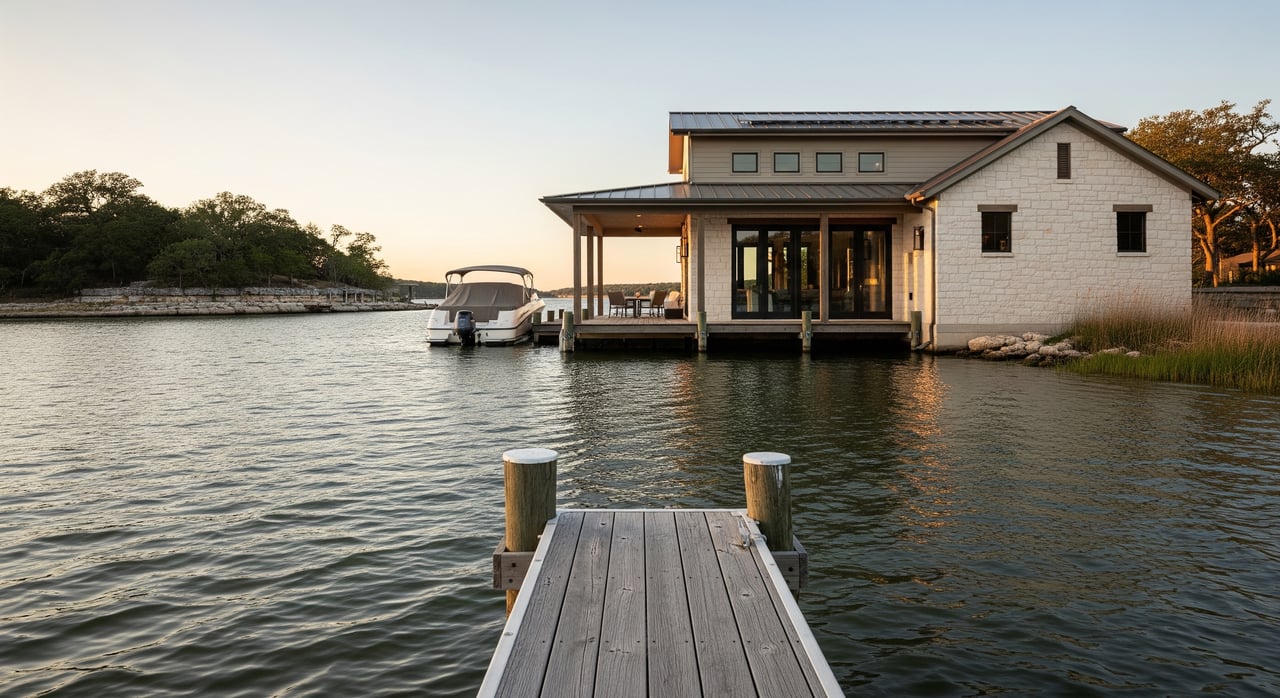
The lake spans multiple jurisdictions, including Mabank and parts of Kaufman County. Rules for ramps, parking and docks can vary by city, county, HOA and individual marina. If you’re buying a home, confirm what’s included with the property, such as a private dock, a slip, or access to an HOA ramp.
Popular boats and why they fit here
Choosing the right boat comes down to how you want to use the lake. Here are common options you’ll see around Mabank and nearby communities.
Pontoons and deck boats
Pontoons are the go-to for relaxed cruising and family time. They offer stable decks, ample seating and shade options. The shallow draft makes it easy to explore coves and shoreline. Deck boats deliver a similar social layout with a sportier feel.
Bass and fishing boats
Cedar Creek Lake draws anglers year-round, including tournament fishermen. Bass boats are fast, maneuverable, and set up with casting decks and electronics. If fishing is a priority, you’ll appreciate the speed to reach spots early and often.
Ski and wake boats
Tow-sport boats are popular for skiing, wakeboarding and tubing. You’ll usually find them in open, main-lake areas where there’s room to run a straight line. If you plan to ride at peak times, expect more traffic and plan your route with courtesy to nearby docks and smaller craft.
Personal watercraft (PWCs)
PWCs are great for short, high-energy rides. They’re agile and fun, but require extra attention to wake and noise. Follow posted rules, give wide space to fishermen and docks, and keep an eye on no-wake zones.
Non-motorized craft
Kayaks, canoes and stand-up paddleboards shine in quiet coves and near shore. Early mornings and weekdays are ideal if you want calm water and fewer wakes from larger boats.
Where to launch and keep your boat
Access options vary around the lake. Planning ahead will save you time on busy weekends.
Public ramps basics
You can expect a mix of public city or county ramps and private or HOA ramps. Public ramps often include trailer parking and may charge a launch or parking fee. Traffic peaks on holiday weekends and during tournaments, so arrive early and prep your boat away from the ramp to keep the line moving.
Marina services and slips
Marinas typically offer a range of services:
- Slip rentals: transient by the night or week, and long-term by month or season. Covered slips cost more but provide shade and protection.
- Amenities: restrooms, showers, laundry, bait and tackle, convenience items and picnic areas. Many marinas also rent pontoons or small boats.
- Services: fuel, basic mechanical repair, prop and outboard service, trailer maintenance and winterization.
- Utilities: many slips provide electrical hookups, water and sometimes Wi-Fi.
Long-term slips may require a deposit, proof of insurance and a signed contract. Waiting lists are common near peak season, so plan ahead if you want a covered slip.
Fuel dock tips
Fuel docks usually carry gasoline and may or may not offer diesel, depending on marina size. Hours often follow daylight in peak season and can shift in the off-season. For safe fueling:
- Turn engines off and extinguish all smoking materials.
- Run bilge blowers if your setup requires it.
- Stay at the helm during fueling and monitor for spills.
If a spill occurs, report it to local authorities and the marina immediately.
Storage on shore
If you trailer your boat or keep it off the water, you’ll find dry stack, covered storage, enclosed storage buildings and private lots near the lake. Some facilities offer winterization, shrink-wrap and basic service work.
Seasons, traffic and timing
Spring and summer weekends are the busiest. Holiday weekends and fishing tournament days can fill marinas and ramps early. If you want smoother water, hit the lake on weekday mornings or plan shoulder-season outings in fall. Off-season hours at marinas may be reduced, and some services can pause until spring.
Safety, rules and permits
A safe day on the lake starts with knowing the basics. State and federal requirements can change, so confirm current rules with the Texas Parks and Wildlife Department and U.S. Coast Guard.
Registration and education
- Most motorized vessels must be registered and display proper numbers. Check current Texas thresholds and procedures.
- Texas requires boater education for certain operators. Verify the birthdate cutoff and approved courses before you operate a vessel.
Required equipment
Keep the following on board, sized and rated for your boat:
- USCG-approved personal flotation devices for everyone aboard.
- A throwable flotation device on many motorboats.
- A properly rated fire extinguisher.
- Navigation lights for night operation.
- A sound-producing device, such as a horn or whistle.
- Visual distress signals if you operate at night or as required by law.
Game Wardens, county sheriffs and local officers patrol the lake. They can perform safety checks and issue citations, so keep documents and gear organized and accessible.
Dock and shoreline permitting
Building or modifying a dock, boathouse or lift usually requires permits. On federally managed reservoirs, federal authorization may be needed in addition to county or city permits. HOAs and deed restrictions often apply. If you’re buying, verify that an existing dock is legal and permitted, and confirm whether those rights transfer with the property.
Invasive species and environment
Help protect the lake. Clean, drain and dry your boat and gear to reduce the spread of invasive species. Do not discharge fuel, oil or trash into the water. Pump-out services exist at some marinas, but may be limited, so plan ahead.
Lake etiquette that earns good neighbors
Courteous boating keeps the lake enjoyable for everyone, especially in the narrow coves common around Mabank and Kaufman County.
- Give docks a wide berth. Pass slowly and perpendicular to reduce wake pressure on neighboring docks and lifts.
- Slow down near shorelines, swimmers and fishermen.
- Be wake aware. Strong wakes can damage small boats, docks and shoreline improvements.
- Manage noise. Keep music and engine noise at reasonable levels, especially early and late.
- Respect fishing areas. Avoid crowding boats that are anchored or working a shoreline.
- Share public ramps. Prep away from the ramp, launch promptly and move your vehicle so others can access the water.
- Communicate. If you share a slip or dock area, discuss storage and quiet hours with neighbors or marina staff.
Buyer checklist for lake life
Use this quick list as you compare homes and plan your first season on the water.
Before you buy
- Confirm dock ownership, easements and permits. Ask if the dock conveys with the property.
- Review HOA or neighborhood rules about docks and boat lifts.
- Ask about slip availability and waiting lists at nearby marinas.
- Map drive times to at least two ramps or marinas for flexibility on busy days.
- Check what local storage options exist for your trailer or boat.
- Review Texas boat registration, boater education and safety requirements.
After you buy
- Complete vessel registration and confirm insurance and boater education cards.
- Stock required safety gear plus a basic first-aid and repair kit.
- Plan where you’ll keep your trailer and confirm any local parking rules.
- Introduce yourself to neighbors and your marina manager to learn local norms and quiet times.
- Monitor weather, lake levels and any safety advisories before you head out.
Plan a smooth launch day
A little prep goes a long way on busy weekends.
- Arrive early and do a full walkaround before you hit the ramp.
- Load coolers, life jackets and lines at home or in the parking area, not on the ramp.
- Assign roles: driver, line handler and spotter. Keep kids seated and clear of the tow vehicle.
- Idle out of congested areas. Watch for no-wake buoys near ramps and marinas.
- Keep your route flexible. If your favorite cove is crowded, have a second option ready.
Your path to the lake lifestyle
Whether you’re a weekender from Dallas-Fort Worth or planning a full-time move to Mabank, Cedar Creek Lake offers a simple, joyful way to spend time outdoors with the people you love. With the right boat, a nearby marina plan and a handle on local rules, you’ll be ready for a safe, fun season on the water.
If you’re considering a home with dock access or looking for a waterfront property that fits your boating plans, the local guidance you get matters. As a Cedar Creek Lake–specialist team, we help you evaluate docks, slips, storage and neighborhood rules so your lake home works for how you want to live. Ready to explore listings or ask specific questions about a property’s water access? Reach out to the Debbie French Real Estate Group and let’s start planning your lake life.
FAQs
What are the busiest times on Cedar Creek Lake?
- Spring and summer weekends, major holidays and fishing tournament dates are typically the most crowded. Weekdays and the fall and winter off-season are usually quieter.
Which boat type is best for families at Cedar Creek Lake?
- Pontoons and deck boats are popular for families because they are stable, offer plenty of seating and shade, and handle well in coves and along the shoreline.
Do marinas around Mabank offer long-term slips?
- Many marinas offer both transient and long-term slips, often with waiting lists for covered slips. Expect contracts, deposits and proof of insurance for longer terms.
What safety gear do I need on my boat in Texas?
- Carry USCG-approved life jackets for everyone, a throwable device on many motorboats, a fire extinguisher, navigation lights, a sound-producing device and required visual distress signals for night operation.
Do I need a permit to build or modify a dock?
- Yes, dock and shoreline work typically requires permits, and HOA or deed rules may apply. Confirm legal status and whether rights transfer when you buy a property.
Where can I learn Texas boating laws and education rules?
- Check current requirements with Texas Parks and Wildlife for registration, boater education and safety, and review U.S. Coast Guard guidance for federal safety standards.