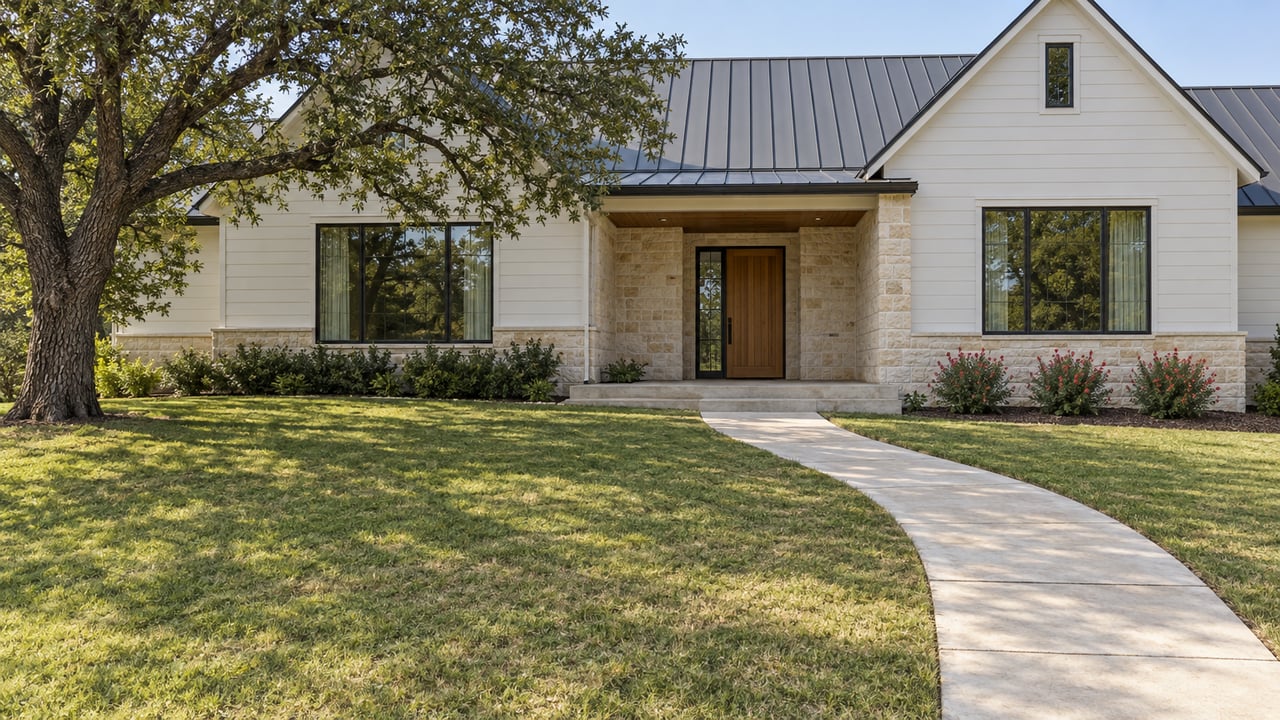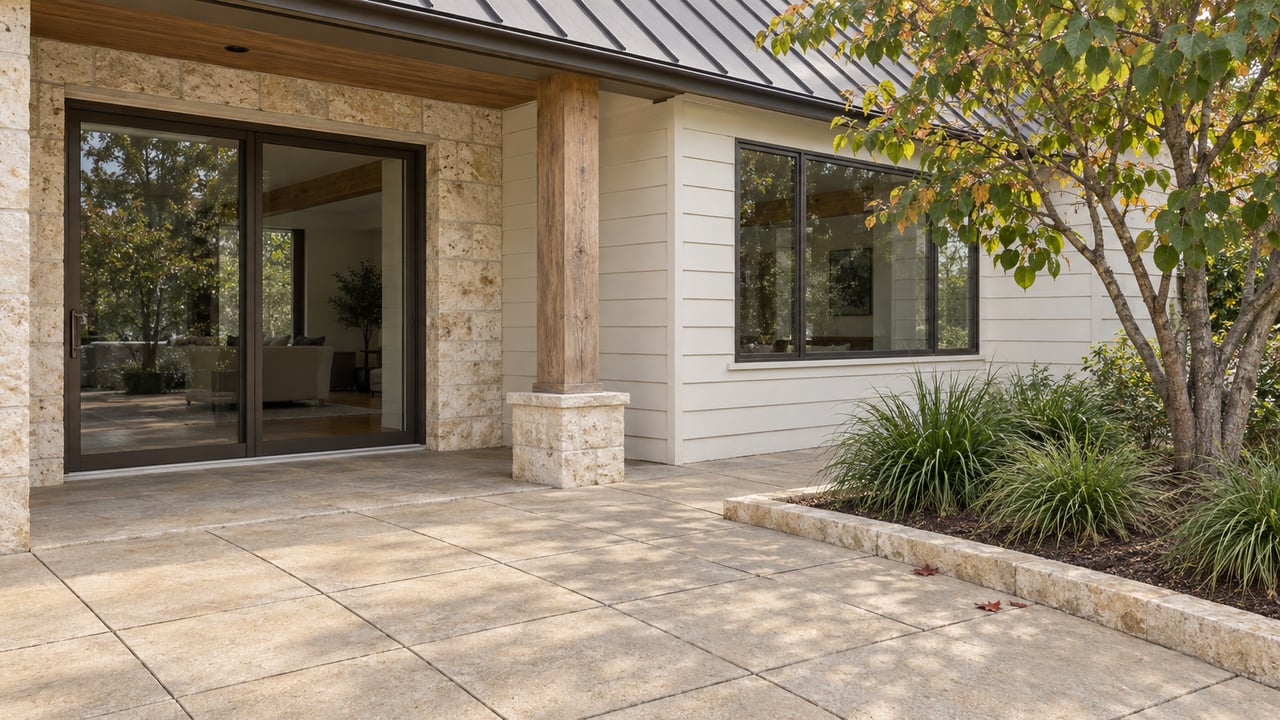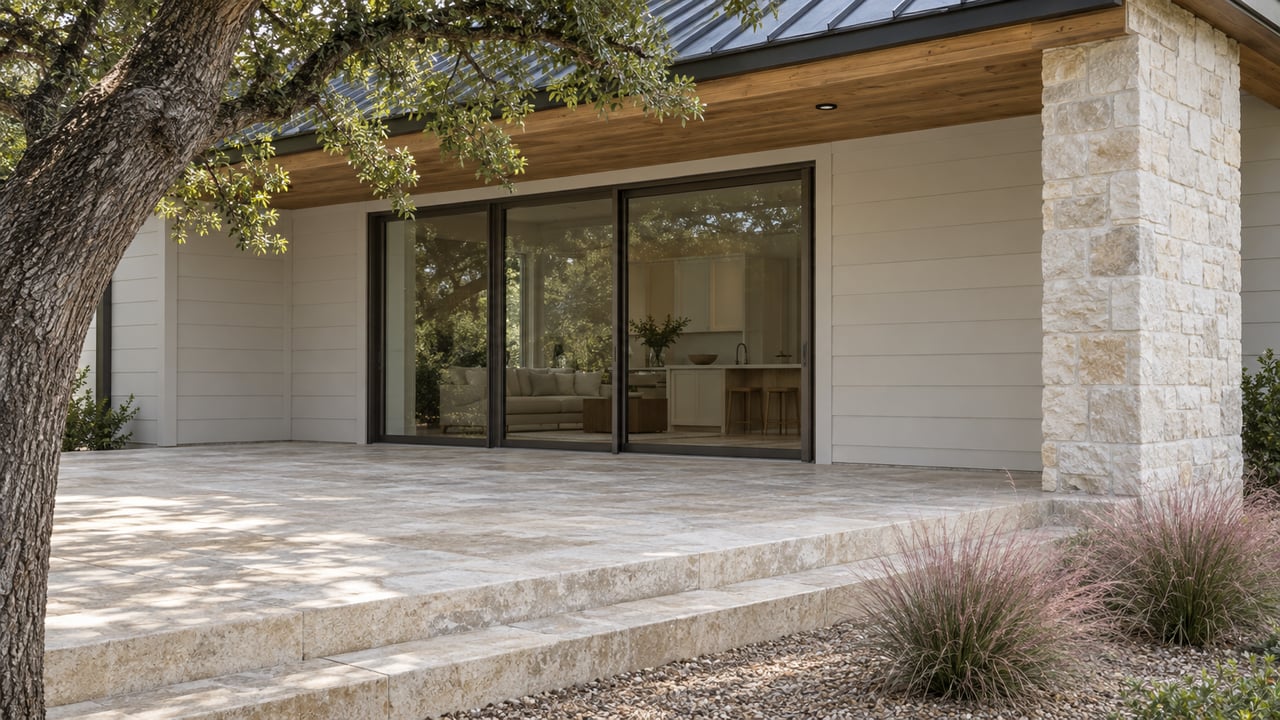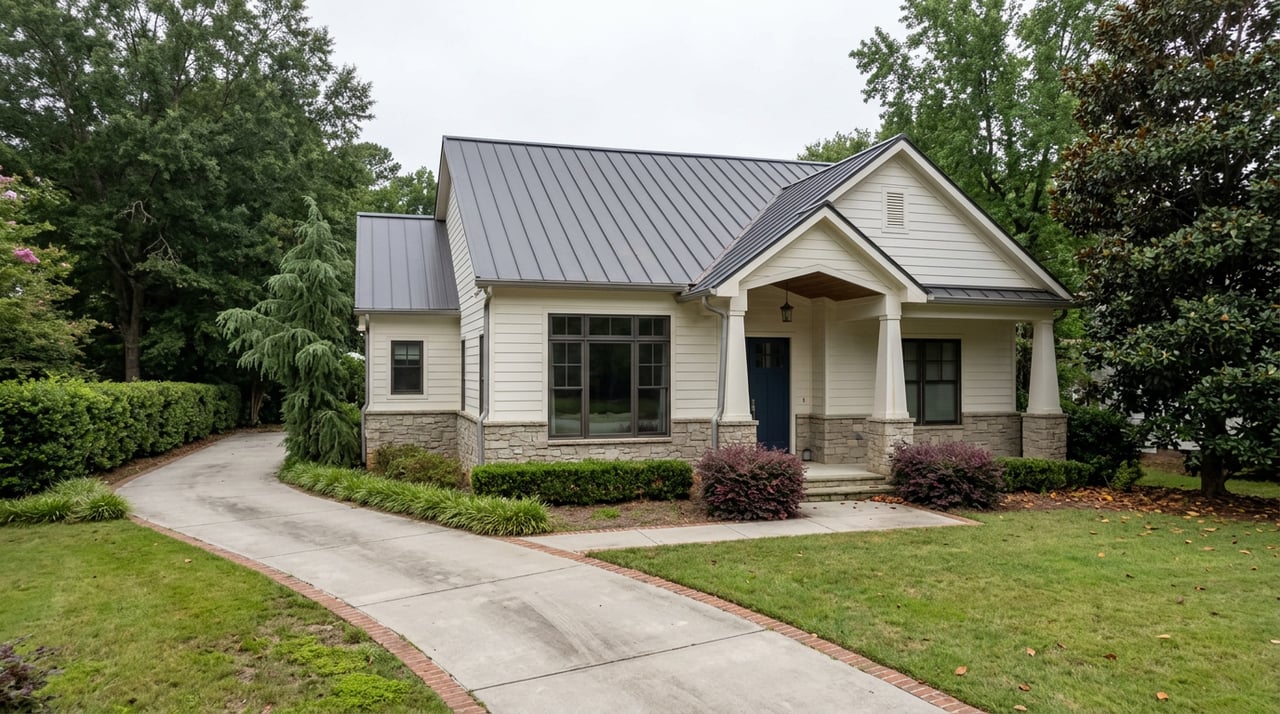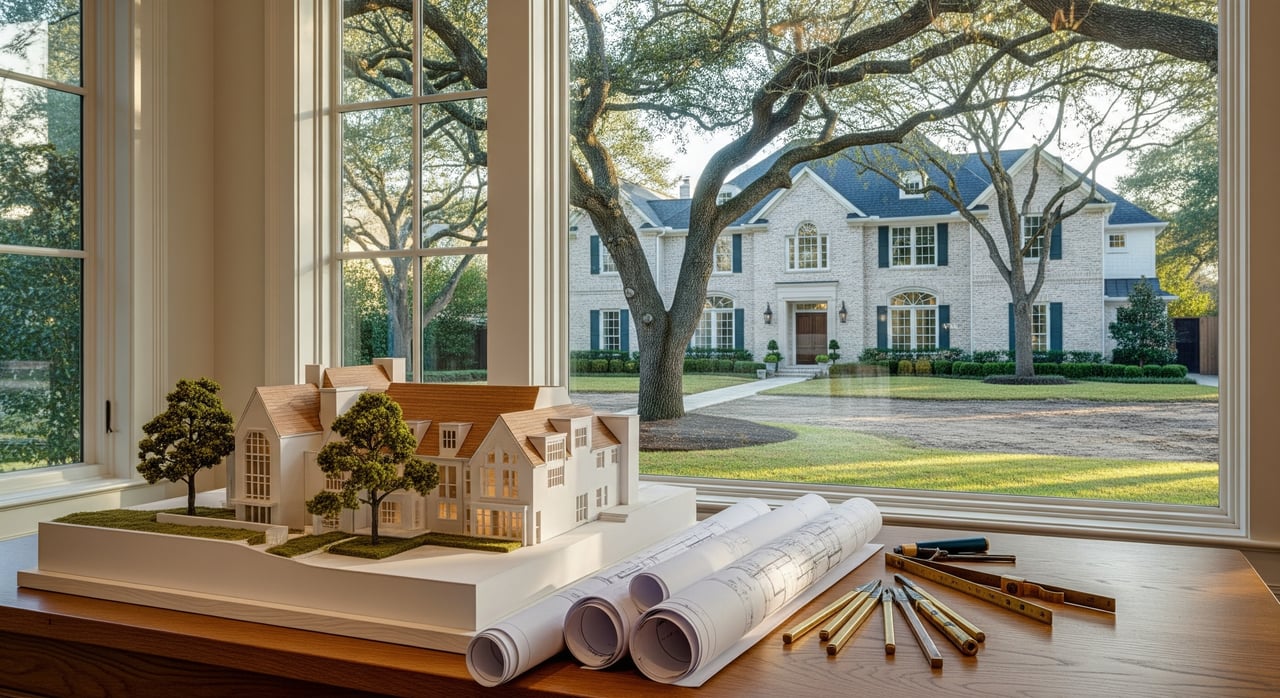
Thinking about building your next home in The Groves or buying one that is move-in ready? You are not alone. Luxury buyers often weigh design control against speed and certainty. In this guide, you will see the real timeline, cost buckets, risks, and decision points so you can move forward with confidence. Let’s dive in.
Build vs. buy: the big picture
If you build a semi-custom home, you gain control over finishes, layout options, and systems. That control comes with a longer timeline, more decisions, and exposure to construction risk. If you buy a completed home, you get immediate occupancy, a known price, and fewer moving parts, but less ability to change the core layout without a remodel.
In The Groves and greater Harris County, the choice often comes down to your timeline, tolerance for project management, and how specific your wish list is for luxury features, outdoor living, and technology.
Timeline: what to expect
Semi-custom build phases
- Lot selection and purchase. Timing depends on availability and whether the developer sells lots directly.
- Design and approvals. Plan selections and any modifications often take weeks to months. HOA or design review can add time.
- Permitting and utilities. Local review can add weeks to months depending on scope, floodplain or drainage reviews, and completeness of plans.
- Site work and foundation. Prep, grading, and foundation follow permits. Complex sites or tree work can extend this phase.
- Vertical construction to substantial completion. Semi-custom timelines commonly run in the mid single-digit months after permits, with final inspections and punch lists after.
- Exterior amenities. Pools, landscaping, or specialty outdoor features can add additional months.
Buying a completed home
- Contract to close. Often a few weeks depending on financing. You can move in at closing.
- Inspections and any negotiated repairs. Renovation beyond repairs adds time if you choose to customize after purchase.
Common delay risks
- Permit or HOA/design review timing
- Weather and site conditions
- Material lead times for luxury finishes and appliances
- Change orders and scope creep
- Labor availability in the local market
Cost breakdown: build vs. buy
Building: what to budget
- Land or lot cost if not included
- Site development and infrastructure: grading, drainage, driveway, soil or tree mitigation
- Permits, impact fees, and utility tap fees
- Construction hard costs: structure, systems, and finishes
- Soft costs: plans or revisions, engineering, surveys, inspections, lender fees
- Contingency reserve: a common range is 5 to 15 percent of construction costs
- Carrying costs during the build: interim housing, interest on a construction loan, property taxes, insurance, and utilities
- Exterior amenities: landscaping, pool, specialty outdoor features
Buying: what to budget
- Purchase price and closing costs
- Any immediate repairs or upgrades you want
- Ongoing costs: property taxes, HOA dues, and insurance
Financing differences
- New build. Often uses a construction loan or a construction-to-permanent loan with draw schedules, inspections for draws, and sometimes higher upfront requirements.
- Completed home. Uses standard mortgage products, including jumbo options for luxury price points.
Market timing considerations
- Building during periods of rising material costs can expose you to price escalation. Buying a completed home fixes your price at contract, subject to appraisal.
- Premium finishes and custom features increase per-square-foot costs. Ask for itemized allowances to compare apples to apples with completed homes.
Quick comparison
| Category | Build Semi-Custom | Buy Completed |
|---|---|---|
| Occupancy | Months after permits plus site work | Weeks after contract |
| Price certainty | Variable with allowances and change orders | Fixed at contract, subject to appraisal |
| Financing | Construction or construction-to-perm with draws | Standard mortgage or jumbo |
| Design control | High within builder policies and CC&Rs | Low without renovation |
| Warranties | Builder-backed structural and systems coverage | Varies; rely on inspections or seller warranty |
| Energy/code | Meets current codes and efficiency standards | Depends on year built and upgrades |
| Risk profile | Higher: delays, cost changes, selections | Lower: known condition at closing |
| Carrying costs | Interim housing and loan interest during build | Standard ownership costs after close |
| Resale impact | Unique features can be a plus or too niche | Market appeal known at purchase |
Design, quality, and long-term value
When you build, you set the tone for finishes, floorplan options, and systems like HVAC zoning and smart-home wiring. That control can create a home that fits how you live. It also requires clear choices and budget discipline.
New builds must meet current codes, which can offer energy and comfort benefits compared with older homes. Most reputable builders provide limited warranties on craftsmanship and longer structural coverage. Make sure the warranty terms, duration, and claim process are in writing.
For resale value, location, lot quality, and builder reputation matter as much as finishes. Highly personalized selections can be a draw for the right buyer and a hurdle for others, so keep broader appeal in mind.
Risk checks in The Groves and Harris County
- Floodplain and drainage. Confirm FEMA and county floodplain status. Lots in special flood hazard areas may require elevation, mitigation, and flood insurance.
- Soil, topography, and trees. Budget for geotechnical reports, potential soil remediation, and any tree assessments if preservation rules apply.
- Utilities and access. Verify water, sewer, and electrical capacity and whether taps are available or require extension.
- HOA and CC&Rs. Review architectural guidelines, allowed exterior materials, color palettes, setbacks, heights, and timelines for design review.
- Permitting and inspections. Understand submittal requirements and inspection cadence for Harris County or City of Houston, depending on jurisdiction.
- Insurance. Confirm builder’s risk during construction, homeowner coverage at completion, and flood insurance if required.
Practical checklists to use now
From the builder or developer
- Typical start-to-finish timelines for similar homes in The Groves
- Standard contract type, allowances, and warranty terms
- Itemized upgrade pricing and lead times for premium materials and appliances
- Portfolio of completed homes and client references
- Policy on third-party inspections during construction
- Change-order process and cost controls
From the HOA or community
- CC&Rs and architectural guidelines with review timelines
- Current HOA fees, budget, and any recent special assessments
- Lot maps with easements and common-area plans
From local authorities and records
- FEMA and county floodplain status and drainage guidance
- Expected permit timelines for your scope
- Property tax history and procedures through county appraisal records
From lenders and insurers
- Construction loan terms, down payment, contingency holdbacks, and conversion steps
- Rates and products for jumbo or standard mortgages
- Homeowner and flood insurance costs based on the lot location
Inspections and reports to commission
- Geotechnical soil report
- Site survey and boundary plat
- Tree assessment if applicable
- Energy and HVAC load calculations for proper system sizing
Decision framework for luxury buyers
- Time horizon. Do you need to move within weeks, or can you wait 6 to 18 months or more?
- Customization level. Are you focused on finishes, or do you need plan changes and unique outdoor features?
- Risk tolerance. Are you comfortable managing selections and timeline decisions, or do you prefer turnkey certainty?
- Carrying costs. Weigh interim housing and interest during a build against the potential value of custom features at resale.
- Market and rates. Consider mortgage and construction loan rates and local supply trends.
- Emotional bandwidth. Building requires ongoing decisions and patience. Be honest about your appetite for the process.
Which path fits you?
Choose to build if you want higher design control, are flexible on timing, and can buffer for contingencies. You will shape the finishes, layout options, and systems to your lifestyle.
Choose to buy if you value speed, price certainty, and a simpler process. You can move in fast and plan upgrades over time without managing a full build.
If you would like a clear side-by-side budget and timeline for your situation, or a personalized list of next steps to de-risk your decision, our team is here to help. Connect with the Debbie French Real Estate Group for a friendly, no-pressure conversation about your goals and the path that fits.
FAQs
How long does a semi-custom build in The Groves typically take?
- After permits, several months up to about a year is common, with extra weeks or months for permitting, site work, and any specialty outdoor features.
How do build costs compare to buying a finished home?
- Building adds land, site work, permits, soft costs, contingency, and carrying costs; buying fixes the purchase price but may involve repairs or upgrades you choose.
What carrying costs should I expect during a build?
- Plan for interim housing, construction-loan interest, taxes, insurance, and utilities until you receive a certificate of occupancy.
Do new builds come with warranties in The Groves?
- Most reputable builders offer limited workmanship coverage and longer structural warranties; confirm scope, duration, claim steps, and transferability in writing.
Will my mortgage be more complex if I build?
- Yes. Construction or construction-to-permanent loans use draw schedules, inspections, and different documentation than standard mortgages and may require higher upfront reserves.
How do HOA rules affect customization in The Groves?
- CC&Rs and architectural review can limit exterior materials, colors, heights, and site amenities; get guidelines early to align your design and timeline.