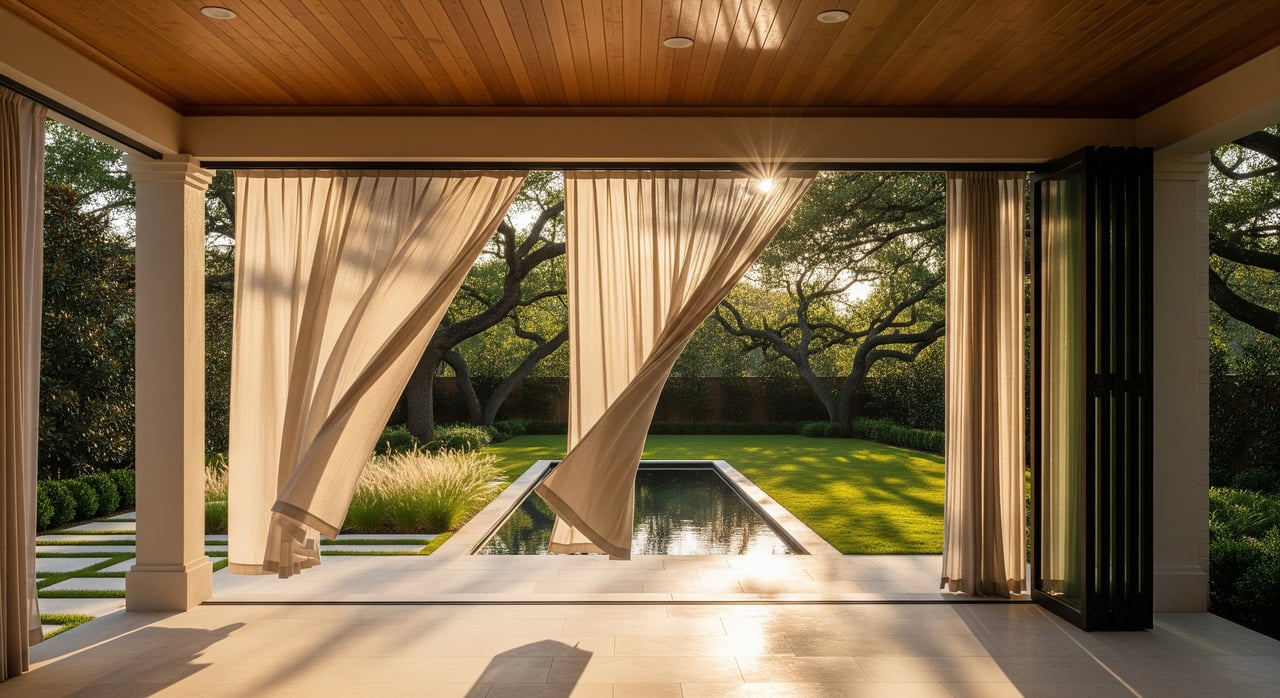
Picture this: a perfect summer evening on your back porch, breeze in your hair, kids off the dock, and a sunset that lights up the water. At The Groves on Cedar Creek Lake, the same view can feel totally different depending on sun, wind, and water exposure. If you want year-round comfort, safer dock performance, and predictable maintenance, choosing the right exposure matters. This guide breaks down what to look for so you can enjoy the lake the way you imagine it. Let’s dive in.
Why exposure matters at The Groves
Cedar Creek Lake sits in a humid subtropical climate. Summers are hot and sunny, winters are mild, and spring into early summer brings periodic thunderstorms. Afternoon sun can run up temperatures on west-facing patios, while lake breezes often kick up during the day and ease at night.
You’ll feel two kinds of exposure: daily comfort from sun and wind, and occasional stress from storms and wakes. A lot that feels calm on a morning tour can be windy by mid-afternoon or more exposed during a storm. Plan for both everyday living and resilience.
Sun exposure by orientation
East-facing water
East-facing lots capture gentle morning light and tend to stay cooler late in the day. Evenings are more comfortable for dining and relaxing, especially in summer. If you love early coffee on the porch and shaded sunsets, this is a strong fit.
West-facing water
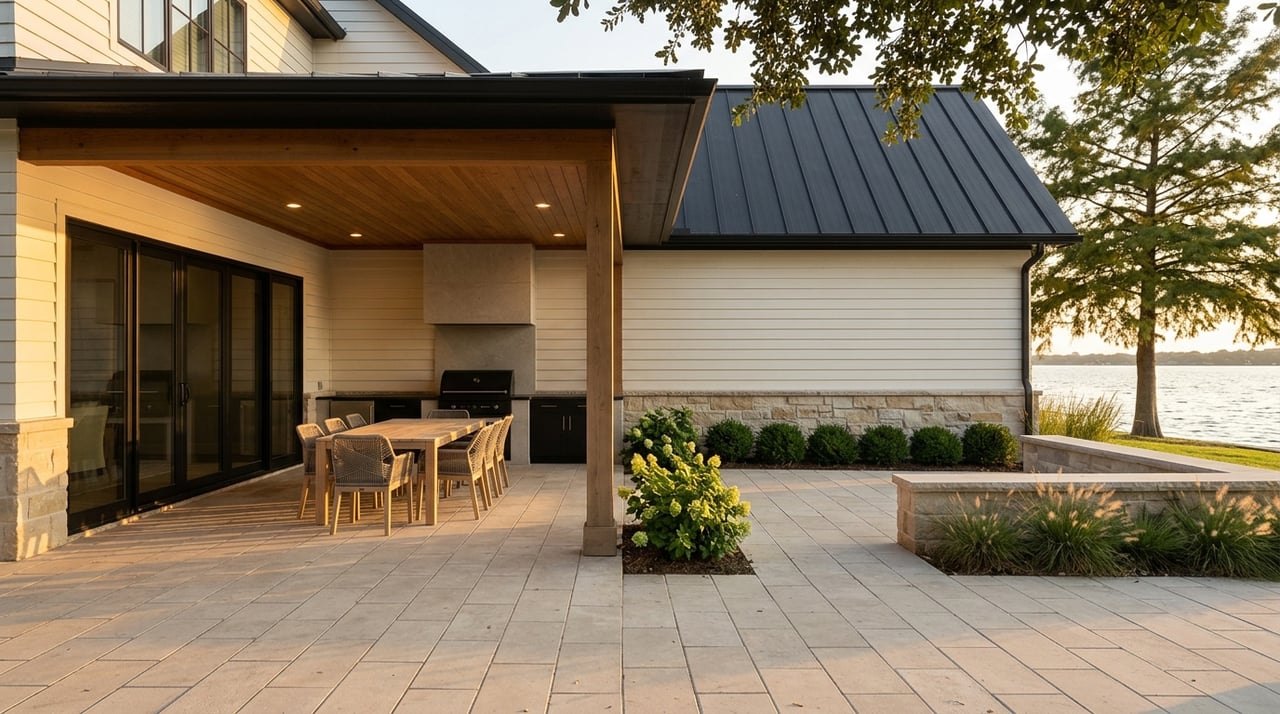
West-facing lots deliver dramatic sunsets and bright evening views. They also take the strongest late-day summer sun, which can heat up interiors and patios. If west-facing is your dream, plan for shade structures, low-e glass, and strategically placed trees.
South-facing aspects
South exposure brings strong overall sun through the year. It is helpful for winter warmth and can support rooftop solar if your roof lines cooperate. In summer, control heat with overhangs, exterior shades, and light-colored hardscapes.
North-facing aspects
North-facing areas receive less direct sun, which keeps spaces cooler and more evenly lit. Outdoor areas tend to be comfortable later in the day. Consider whether you want softer light over dramatic sun angles.
Wind and wave patterns on the lake
Lake winds commonly trend from the south or southeast as Gulf moisture moves inland. Cold fronts bring northerly winds. Local shoreline shape, trees, and nearby structures can channel or block those winds at your specific lot.
Wave action depends on fetch, which is the distance wind travels across open water. Longer fetch on open water means bigger chop and more wake energy. Shorter fetch in coves means calmer water and less stress on docks and shorelines.
For outdoor comfort, a steady breeze helps cool you on hot days and can reduce mosquitoes. On very exposed points, wind can make dining and lounging less comfortable and may carry spray or debris onto porches.
Cove vs open water at The Groves
Cove benefits and constraints
Coves generally offer calmer water, easier mooring, and less wear on docks. You get quieter surroundings and more privacy. The tradeoff can be more trapped debris, shallower bottoms, and occasionally more aquatic vegetation or mosquitoes in still conditions.
Open-water benefits and constraints
Open water gives you sweeping views, stronger circulation, and room for bigger boats and water sports. You will see more wave energy and wakes, which increases dock wear and shoreline maintenance. Expect more boat traffic and noise during peak times.
The middle ground
Lots near the mouth of a cove or semi-protected points can balance panoramic views with partial wind and wave protection. The exact tradeoffs depend on lot shape, orientation, and local traffic patterns.
Dock and shoreline choices that last
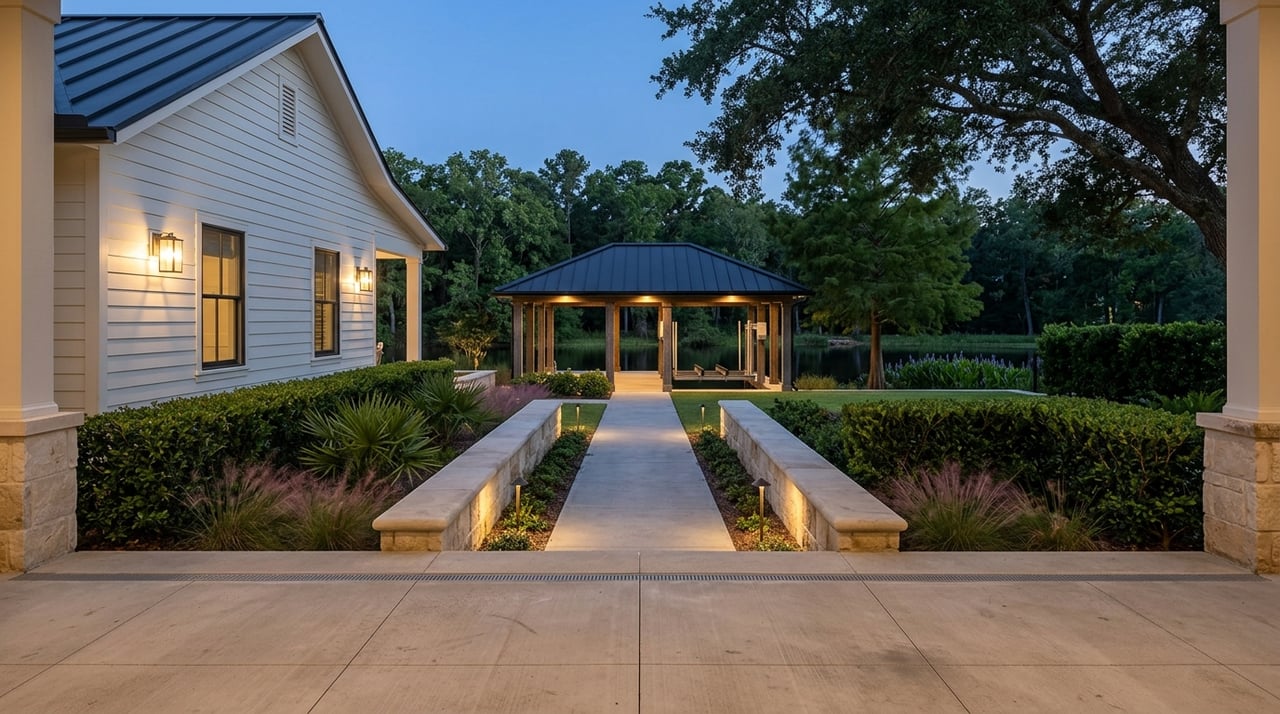
Align your dock with your exposure. In sheltered coves, lighter framing or floating docks often work well. On open water, plan for fixed or robustly anchored docks with deeper pilings and heavier framing, designed for wind and wave loads.
Boat lifts protect hulls from constant chop. Canopies shade your boat but increase wind loading, so the structure must support them. Use UV-resistant decking, corrosion-resistant fasteners, and plan for more frequent maintenance on sunny, exposed sites.
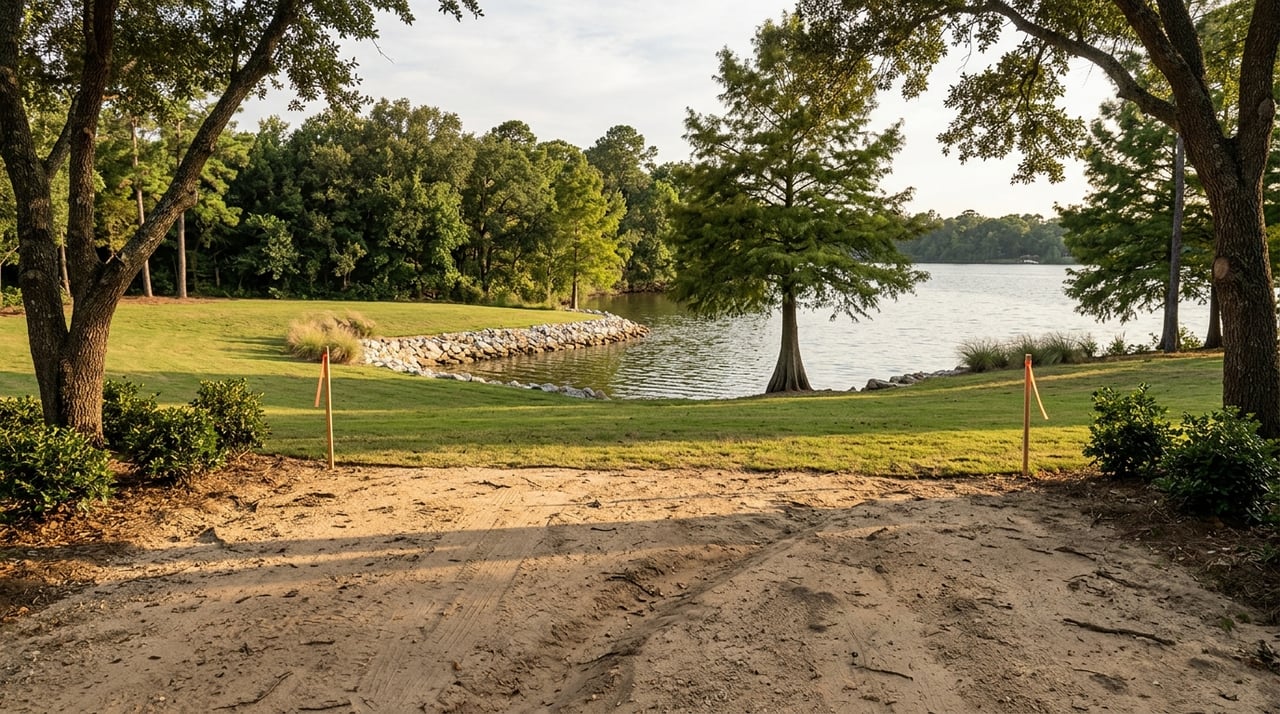
For shorelines facing consistent waves, consider erosion control such as properly sized rock revetments or living shoreline strategies where allowed. In coves, sediment can accumulate and may require periodic management.
A practical buyer checklist for site visits
- Visit at different times of day. Compare a calm morning to a breezy afternoon, and, if possible, different seasons.
- Watch a busy weekend. Observe wakes, wind, and boat traffic during peak hours.
- Talk to neighbors. Ask about typical wind directions, wake patterns, and any dock or shoreline history.
- Ask the HOA or developer. Learn dock design rules, setbacks, materials guidelines, and any policies on vegetation and boat size.
- Check flood and permit requirements. Review floodplain maps, county or city permitting for docks and shoreline work, and the lake authority’s rules on levels and drawdowns.
- Get technical eyes on it. Have a qualified dock contractor evaluate exposure, water depth, and bottom conditions where you plan to build.
- Plan shade and wind control. Use deciduous trees on the west for summer shade and consider evergreen windbreaks on the north or northwest if cold-season winds matter to you.
Match exposure to your lifestyle
- For evening outdoor living: Choose east- or north-facing outdoor areas, or add deep overhangs, pergolas, and exterior shades.
- For boating and watersports: Favor open water or semi-exposed sites with clear approach and deeper water, then engineer the dock accordingly.
- For low maintenance and quiet: Lean toward sheltered coves and plan for vegetation control to reduce mosquito habitat.
- For flexible resale: Look for view-plus-protection combinations or locations where a well-engineered dock can unlock value.
- For solar potential: Target roofs with south to southwest exposure and minimal shade. Keep trees placed to balance views and solar access.
Next steps with a local guide
Choosing the right exposure at The Groves can transform how you live at the lake. With smart orientation, shading, and the right dock design, you can protect your investment and enjoy your outdoor spaces all season.
If you want help assessing a specific lot’s wind, sun, and water exposure, lean on a team that lives the lake lifestyle every day. Connect with the Debbie French Real Estate Group for local guidance tailored to your goals.
FAQs
Which exposure is cooler in summer at Cedar Creek Lake?
- East- or north-facing outdoor areas usually feel cooler in late afternoons; west-facing spaces can work with shade trees, overhangs, and low-e glass.
Do cove lots have more mosquitoes?
- Coves with still water and abundant vegetation can harbor more mosquitoes; breezier, open shorelines often have fewer.
Are open-water docks harder to maintain?
- Yes. Greater wind and wake exposure increase wear on docks and shorelines, which can raise construction standards and maintenance needs.
Should I orient my home for the view or for shade?
- Balance both. Capture the view with well-placed windows and control heat with overhangs, low-e glass, exterior shades, and landscape shading.
What permits do I need for a dock at Cedar Creek Lake?
- Requirements vary by local jurisdiction, reservoir authority, and HOA. Confirm setbacks, materials, and shoreline work rules before you build.