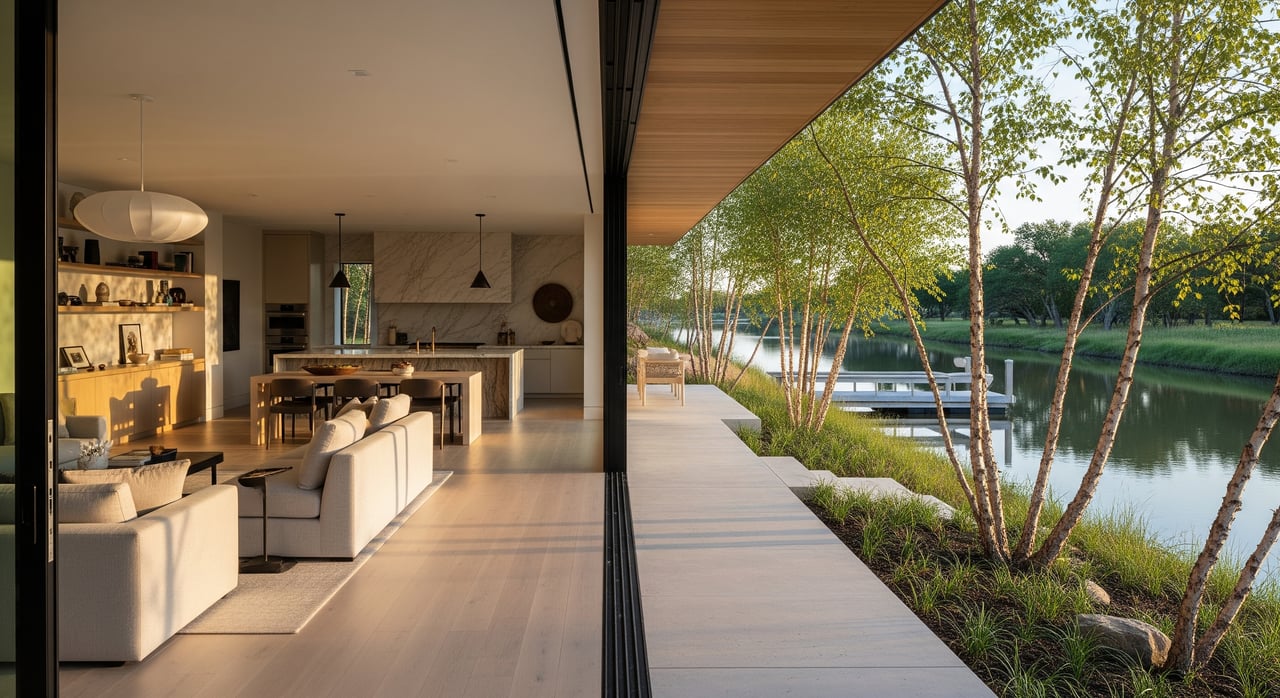
Picture yourself sipping coffee while the water glows just beyond your back patio. That dream is achievable at The Groves, but choosing the right waterfront floor plan takes more than picking a pretty elevation. You need to balance view, safety, cost, and future resale, all while fitting your daily life. In this guide, you’ll learn the key plan features to prioritize, what to verify before you commit, and how to protect both your lifestyle and your investment. Let’s dive in.
Why floor plan choices matter on the water
Waterfront living in Harris County brings unique rewards and responsibilities. The water view, outdoor spaces, and private access are major value drivers. At the same time, flood maps, Base Flood Elevation, and permitting can shape which plans even work on a specific lot.
In The Groves, lots can front managed lakes, creeks, or greenbelt waterways. That means exposure to heavy rain, wind-driven water, and bank erosion can vary. Your floor plan should align with the lot’s water type, elevation, and any community rules so you enjoy the view without surprises.
Start with flood maps and elevation
Before you fall in love with a plan, confirm the flood context for your specific lot:
- Review FEMA Flood Insurance Rate Maps and the Flood Insurance Study to see if the parcel sits in a Special Flood Hazard Area and what the Base Flood Elevation is.
- Ask for an Elevation Certificate. It helps you compare finished-floor elevations and is essential for flood insurance underwriting.
- Check for Letters of Map Revision or Amendment that might shift flood boundaries or elevation requirements.
- Verify whether the home will be permitted by the City of Houston or Harris County and which standards apply.
This early work guides core choices like foundation type, utility placement, and whether you want an elevated main level.
Plan features to prioritize on waterfront lots
Orientation, windows, and light
Aim primary living spaces toward the water. Great rooms, kitchens, and the main suite with direct views make daily life better and help resale. Balance glass with performance. Large windows boost views but can increase heat gain and exposure to wind-driven rain. Impact-rated windows or shutters add protection and may help with insurance.
Elevation and entry access
Finished floor elevation relative to BFE is a critical decision. Many buyers choose an elevated main level to reduce flood risk and insurance costs. That can add stairs, so plan for comfortable runs, slip-resistant finishes, and consider an elevator rough-in if aging in place matters.
Garage placement and driveway drainage
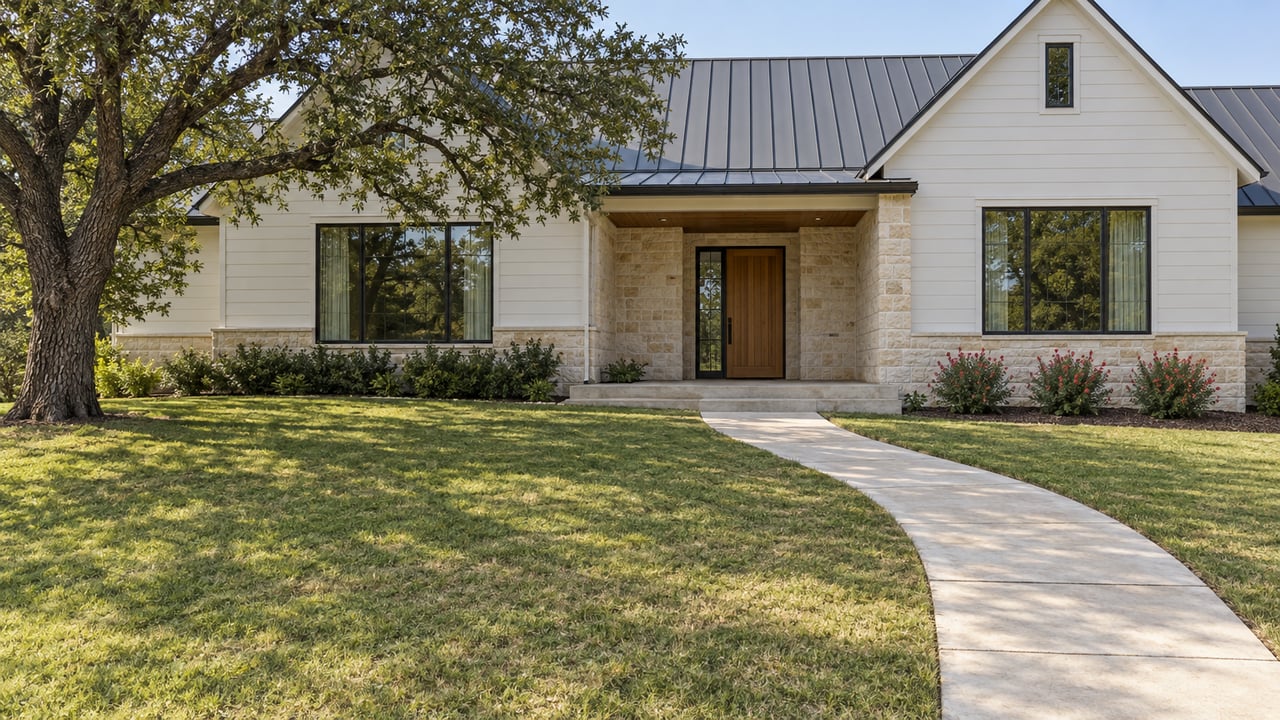
Keep the view corridor clear by placing the garage street-side when possible. If the plan includes parking below living space, make sure enclosures below BFE meet flood-resistant construction rules. Driveways and grading should move stormwater away from the house.
Outdoor living and water access
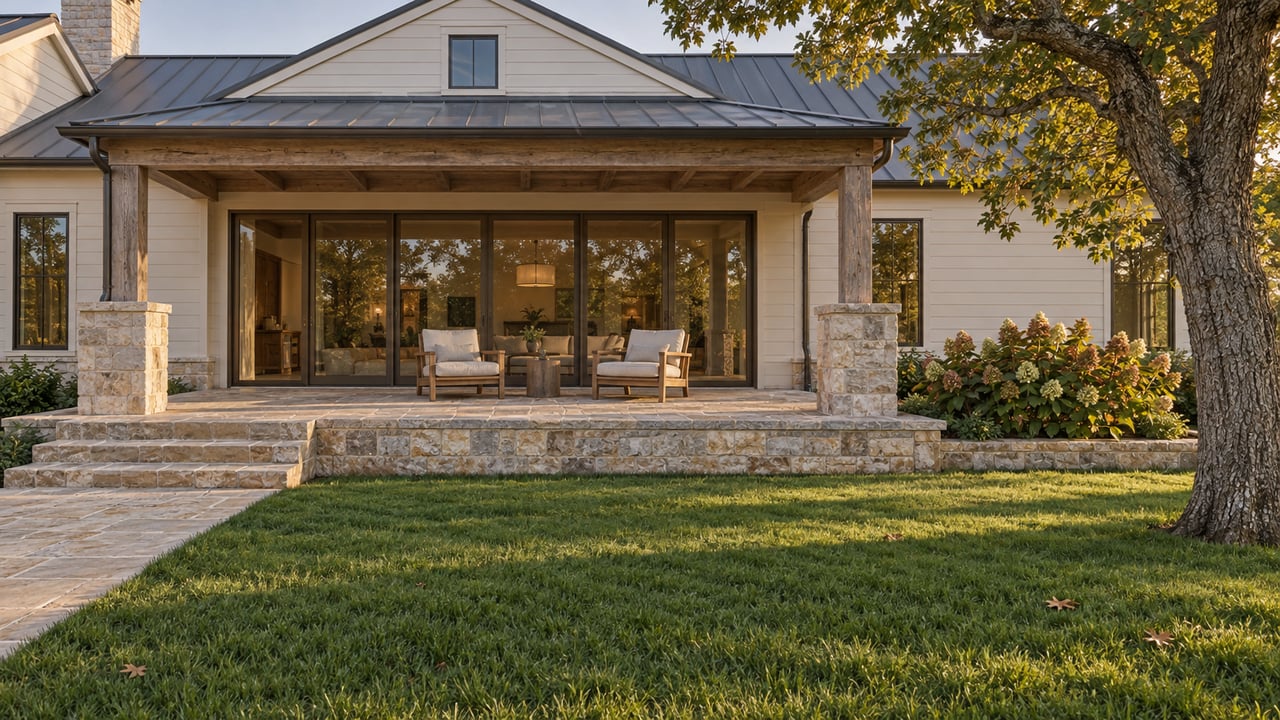
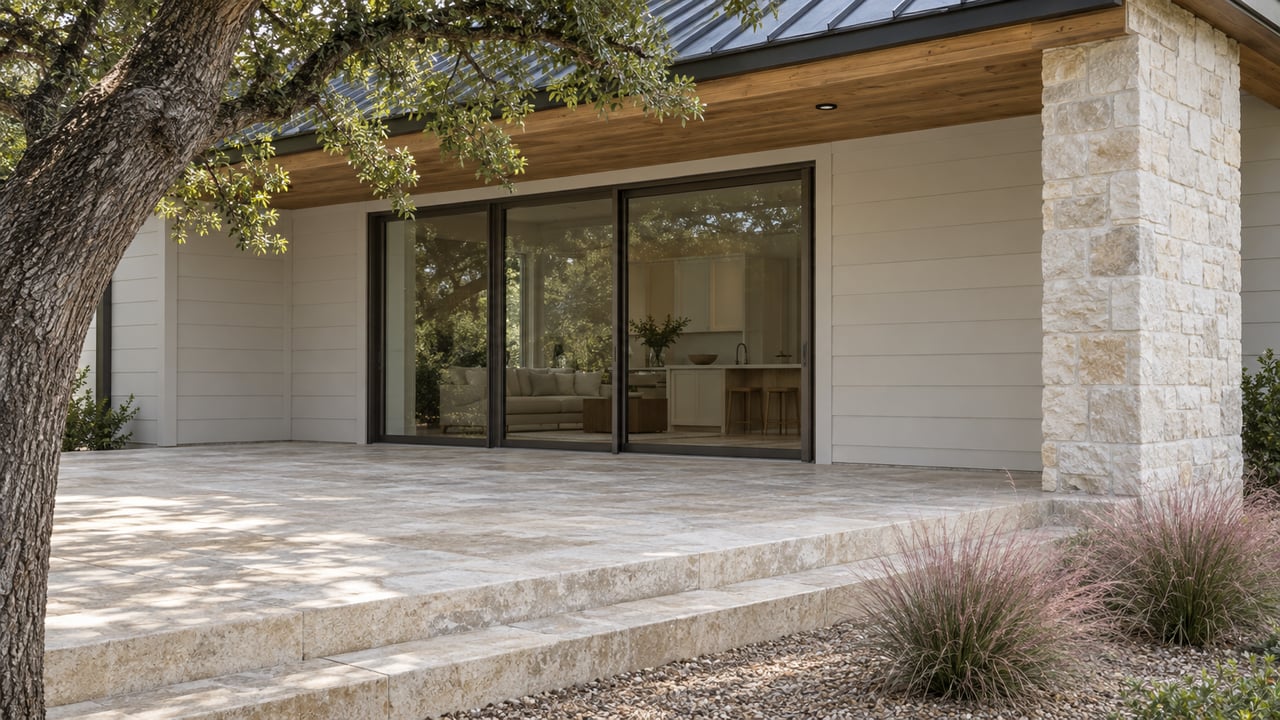
Covered porches, terraces, and balconies are big value boosts. Check that sightlines from key rooms actually see the water. Plan for safe pathways to the bank, bulkhead, or dock if allowed. Include hose bibs, rinse areas, and storage for kayaks or boards.
Foundation and structural resilience
Common options include deep piers or piles, raised slabs on fill, or elevated continuous foundations. A geotechnical report helps the engineer pick the right system. Use corrosion-resistant connectors and treated or marine-grade materials for structures near the water.
Mechanicals, utilities, and storage
Place HVAC condensers, water heaters, and main electrical components above BFE or in protected enclosures. An elevated mechanical room or interior closet can save future headaches. Add secure, dry storage for water gear and hurricane supplies.
Stairs, elevator, and circulation
Design stairs that feel comfortable day to day and safe when surfaces are damp. If you think you might later add a lift, plan the shaft location now and rough-in power.
Durable exterior and interior finishes
Choose fiber-cement siding, composite decking, and stainless or hot-dipped galvanized fasteners for exterior durability. Inside, use moisture-friendly flooring near entries and porches where traffic comes from the water.
Storm protection and backup power
Confirm roof-to-wall connections meet local wind design standards. Impact-rated doors and windows or pre-planned shutters help with severe weather. Set aside space for a generator and transfer switch if backup power is a priority.
Privacy, setbacks, and sightlines
Waterfront lots can be narrow or share easements. Use window placement, fencing, and landscaping to shield neighbor views without blocking your own. Confirm community setbacks and waterline rules before finalizing patio and deck sizes.
Permits, HOA rules, and what to verify early
Choosing a plan without checking approvals can cost time and money. Get these items clear before you commit:
Mandatory documents
- Current FEMA FIRM panel, Flood Insurance Study, and Base Flood Elevation for the lot
- Recent survey with topography and any easements
- Any existing Elevation Certificate
- Geotechnical or soil report if you plan a pile or specialized foundation
Waterfront-related permits
- House building permit from the City of Houston or Harris County, depending on jurisdiction
- Permits for docks, boatlifts, bulkheads, or seawalls if applicable, plus any needed state or federal approvals
- Environmental permits if work touches marshes or wetlands
Insurance and regulatory programs
- Flood insurance options under the National Flood Insurance Program and private carriers vary based on elevation, openings, and building data
- Community Rating System status for local jurisdictions can reduce premiums
- Zone classifications like AE or VE affect design standards and cost, so confirm which zone applies
HOA and architectural controls
- The Groves community association may have rules on docks, setbacks, exterior materials, and colors
- Confirm whether the community maintains any common seawalls or waterways
- Obtain architectural review requirements before committing to exterior changes
Always verify specifics directly with The Groves association or developer and with City or County permitting offices.
Maintenance and long-term costs to plan for
Waterfront homes often perform best with strategic upgrades that reduce future upkeep.
- Docks and bulkheads need periodic inspection, repairs, and eventual replacement depending on material and exposure.
- Exterior finishes by the water may require higher-grade materials to cut maintenance cycles.
- HVAC equipment near humid, windy areas can wear faster. Elevated or covered placement extends life.
- Erosion control and stormwater-friendly landscaping help protect the bank and yard.
- Budget for flood insurance and confirm whether HOA fees or assessments cover any waterfront infrastructure.
Resale and market appeal
Smart plan choices show up in resale value. Buyers often pay premiums for open water views, covered outdoor living, and easy access to the shoreline. Homes with elevated finished floors, protected mechanicals, and documented flood mitigation tend to draw stronger offers.
On the other hand, a plan that hides the view, places main living spaces away from the water, or pushes mechanicals below BFE can hurt marketability. High maintenance liabilities, like an aging seawall, can also pressure price.
Quick buyer checklist for tours and plan reviews
Use this list to compare lots and floor plans:
Documents and verification
- FEMA panel, Flood Insurance Study, and BFE for the specific lot
- Any Elevation Certificate and recent survey with topo
- Records for dock or bulkhead construction, permits, repairs, and warranties
- HOA rules on docks, setbacks, exterior materials, and lighting
- Recent flood and homeowners insurance premiums, if available
Site and plan specifics
- Finished-floor elevation compared with BFE and any required freeboard
- Location of HVAC, water heater, and electrical panels above BFE
- Foundation type and whether a geotech report is complete
- Impact-rated windows or planned shutter solution
- Setback lines from the water and any shared easements
- Owner vs community responsibility for bulkhead or dock upkeep
Professionals to engage
Licensed surveyor for boundaries and topo
Marine or structural specialist for seawalls and docks
Geotechnical engineer for foundation recommendations
Home inspector with flood and coastal experience
Insurance agent familiar with waterfront policies
Negotiation points
- Ask for recent inspections of seawall and dock, plus permits and transferable warranties
- Consider credits or escrow for needed repairs
- Use elevation certificate and insurance estimates to guide contingencies
Sample plan strategies that work
View-first entertainer
- Open great room, kitchen, and dining aligned to the water
- Large covered patio or balcony for shade and year-round use
- Impact-rated glazing or planned shutters for protection and comfort
Active water access
- Mudroom or gear room near the back for wet shoes and life jackets
- Direct path to bulkhead or dock where allowed, with non-slip surfaces
- Outdoor storage, hose bibs, and rinse areas
Low-maintenance lock and leave
- Elevated mechanicals and composite exterior materials
- Simplified landscaping that supports erosion control
- Pre-wired for security and storm shutters for easy prep
Aging-in-place friendly
- Elevated main level with minimal steps from entry if feasible
- Wide, well-lit interior stairs and an elevator rough-in
- Main suite on the primary view level, with slip-resistant finishes
Final thoughts
The best waterfront floor plan at The Groves blends view, protection, and ease. Start with flood maps and elevation, confirm HOA and permit requirements, then pick features that fit your lifestyle while safeguarding resale. A little planning up front can save you on insurance, maintenance, and stress later.
If you would like a friendly, expert second opinion on plan options and trade-offs, connect with the Debbie French Real Estate Group. We live and breathe waterfront living and are happy to help you weigh choices with confidence.
FAQs
What is Base Flood Elevation and why does it matter at The Groves?
- It is the computed flood level for a 1 percent annual chance event, and it guides your finished-floor height, design choices, and flood insurance pricing.
Do I need impact-rated windows for a Houston-area waterfront home?
- They are not always required but are strongly recommended for wind-driven rain and debris exposure, and they can support both comfort and insurance resilience.
Can I add a dock or boatlift on a lot in The Groves?
- It depends on HOA rules, local permits, and waterway type, so verify with the community association and the applicable permitting offices before planning.
How does finished-floor elevation affect my flood insurance cost?
- Elevating the living level above the BFE and documenting it on an Elevation Certificate can significantly influence premiums under NFIP or private options.
Which foundation type works best for a waterfront lot?
- The right choice depends on soil conditions, flood zone, and wave action; a geotechnical report and engineer’s design will point you to piles, raised slab, or similar systems.
What documents should I request when touring or making an offer?
- Ask for the FEMA panel, any Elevation Certificate, recent survey, dock or bulkhead permits and warranties, HOA guidelines, and recent insurance premiums if available.