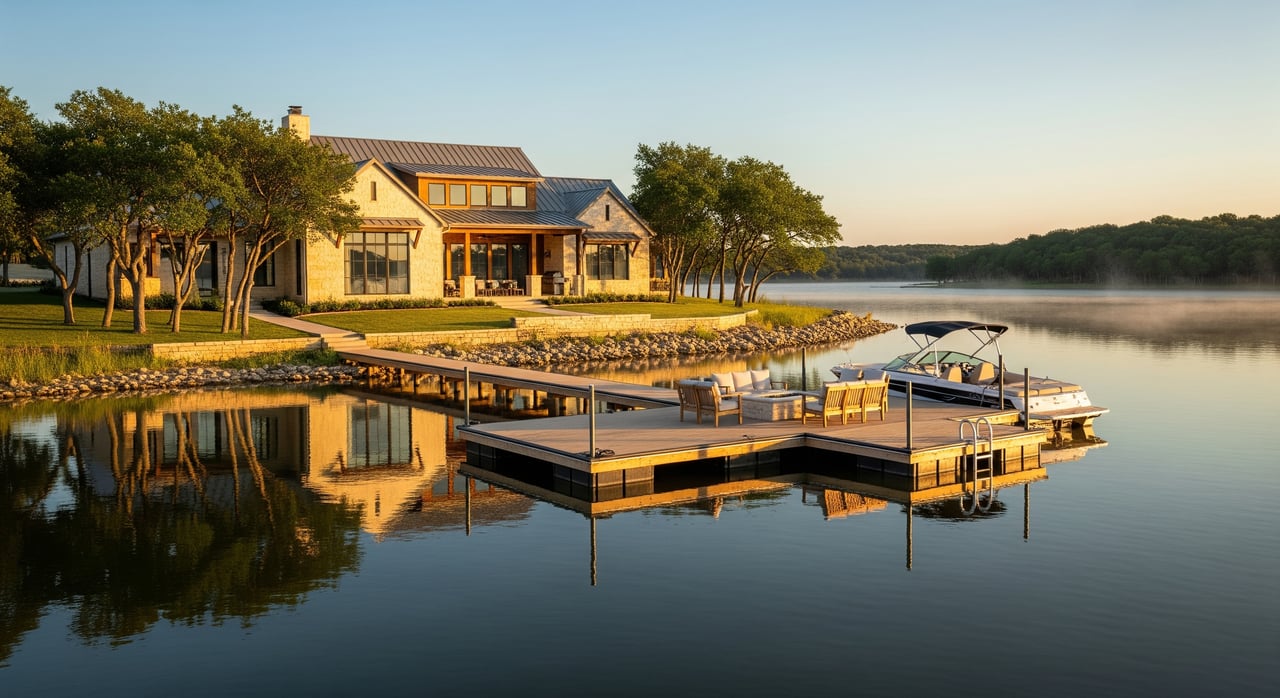
Dreaming of easy weekends on Cedar Creek Lake but not sure how to finance a second home in Mabank? You are not alone. Many DFW buyers find the process different from a primary-home mortgage and want clear guidance before they write an offer. In this guide, you will learn which loans fit second homes, how much down payment and reserves lenders expect, what to know about flood insurance and appraisals on the water, and how financing choices can strengthen your offer. Let’s dive in.
What counts as a second home
Lenders sort properties into primary residence, second home, or investment. Your choice affects rates, minimum down payment, documentation, and whether you can rent out the home. For most lake buyers, a second home means you will occupy the property for personal use and do not plan frequent short-term rentals.
Conforming conventional products are the most common route for vacation homes. You can review second-home eligibility in the Fannie Mae Selling Guide and Freddie Mac Seller/Servicer Guide. Government-backed loans like FHA, VA, and USDA are intended for primary residences, so they typically do not fit second-home use.
Financing paths for Cedar Creek Lake
Conventional conforming loans
These are the go-to for many second-home buyers with strong credit and loan amounts within conforming limits. Lenders allow second-home occupancy with full documentation and clear use plans. Pricing is usually competitive, though rates are often a little higher than a comparable primary-home loan.
Jumbo and portfolio loans
If your loan amount is above conforming limits or the property is unique, you may need a jumbo or portfolio loan. Portfolio lenders, often local banks or credit unions, keep loans on their books and can be flexible with waterfront features, appraisal challenges, or nontraditional income. This can be helpful for irregular lots, unique boathouses, or luxury estates.
Using equity: HELOC, cash-out, or bridge
If you own a DFW primary home, you can tap home equity through a HELOC or home equity loan to cover all or part of the purchase. Lenders will cap your combined loan-to-value, so make sure your equity and income support the draw. Bridge financing can help you buy before selling your primary, which may make your Cedar Creek Lake offer more competitive.
Why FHA, VA, and USDA rarely fit
FHA, VA, and USDA programs are designed for primary residences. Because they require occupancy as a primary home, they are not common tools for second-home purchases around Mabank.
Planning to rent the home
If you intend to rent frequently or use short-term rental platforms, many lenders will classify the property as an investment. That usually means higher down payments and rates. Be transparent with your lender about your plans since misaligned occupancy and rental activity can create underwriting issues later.
Down payment, reserves, credit, and rates
Down payment norms
- Conforming second-home loans often start around 10 percent down, but many lenders expect 15 to 20 percent for easier approval and better pricing.
- Jumbo down payments commonly range from 10 to 20 percent, with larger jumbos leaning toward 20 percent.
- If your plan or the lender’s view makes the property an investment, expect 15 to 25 percent down or more.
Reserves after closing
Lenders want to see cash reserves measured in months of principal, interest, taxes, insurance, and any association dues. For second homes, it is common to need at least 6 months of reserves, and many lenders ask for 6 to 12 months. If you hold multiple financed properties or the home is in a market with seasonal rental swings, requirements may be higher.
Credit, DTI, and documentation
Strong credit is rewarded. Mid to high 700s can help with pricing and flexibility. Debt-to-income limits often cap around the mid 40s, tighter if there are other risk factors. Expect full documentation, including tax returns, W-2s or 1099s, pay stubs, and bank statements showing seasoned funds.
Rate differences vs. primary homes
Second-home rates are usually a bit higher than primary-home rates. The exact difference depends on your credit, down payment, reserves, and whether there is any rental activity. Jumbo and portfolio pricing varies by lender and risk appetite.
Appraisals, insurance, and taxes on the lake
Waterfront appraisal realities
Appraising lakefront homes can be challenging. Comps for waterfront properties are often limited, and value depends on frontage quality, water depth, boathouse condition, and shoreline improvements. This can lead to lower-than-expected appraisals or longer timelines if a specialty appraiser is required. Prepare for potential appraisal gaps with extra down payment or appraisal gap language in your offer.
Flood zones and insurance
Many waterfront homes fall within mapped flood zones. Lenders will run a flood determination, and if the home is in a Special Flood Hazard Area, flood insurance will be required. Use the FEMA Flood Map Service Center early to understand a property’s zone and get quotes before you finalize budgets. For general guidance on homeowners and flood coverage in Texas, review resources from the Texas Department of Insurance.
Flood premiums vary by risk and can be a meaningful part of monthly costs. Securing a quote early protects your affordability plan and keeps underwriting on track.
Property taxes and exemptions
Texas property taxes are set at the county and school district level, and second homes do not qualify for the Texas homestead exemption. That means your Cedar Creek Lake home in Kaufman County will not receive the primary-residence tax benefit. Check values, rates, and exemptions with the Kaufman County Appraisal District to estimate your tax burden.
Be ready: lender questions to expect
Lenders will ask direct questions to size up risk and fit the right product. Be prepared to answer:
- What is your occupancy plan: second home for personal use or rental plans? Any short-term rentals?
- How much will you put down, and what is the source of funds? Are funds documented and seasoned?
- What are your credit score and debt-to-income ratio? Can you provide full income documentation?
- How many financed properties do you already own?
- How many months of reserves will you have after closing?
- Do you need a quick close or a contingency waiver? Which product supports that?
- Does the property have unique features like septic, well, dock, or bulkhead that affect insurability or marketability?
- Is the home in a mapped flood zone, and can you obtain flood insurance?
Your documentation checklist
Gather these items early to speed preapproval and underwriting:
- Completed loan application and credit authorization
- Two years of tax returns if self-employed or own rental property
- Recent pay stubs and W-2s for salaried income
- Bank statements showing down payment and reserves, with documentation for large deposits or gifts
- HOA or POA documents, dues, and CCRs if applicable
- Property disclosures, survey, septic or well inspections if available
- Flood zone determination and early insurance quotes if the property is near the water
Red flags to avoid
- Applying as a second home while planning frequent short-term rentals
- Thin reserves after closing, especially if you already hold other financed properties
- Surprises on waterfront appraisals due to limited comps
- Nonstandard utilities or access issues that affect marketability or title insurance
- Tightly stretched DTI that relies on aggressive assumptions
How financing shapes your offer
Strengthen your preapproval
A strong preapproval beats a quick prequal letter. Ask your lender to review your credit, income, assets, and reserves upfront and issue a real commitment letter. You can also reference reputable sources like the CFPB mortgage shopping resources to compare lenders and lock the best fit.
Handle the appraisal contingency
Lakefront sellers worry about appraisal risk. You can include an appraisal gap clause that commits a defined amount of extra cash if the appraisal is low. You can also tailor your offer price to reflect appraisal uncertainty. Either way, make sure your funds are accessible and documented.
Timelines and inspections
Offer a quick close only if your lender and appraiser can deliver. Waterfront inspections may include septic, shoreline, bulkhead, or dock evaluations, so schedule them fast. If you shorten inspection or financing periods, do it with eyes open and clear coordination.
Signals sellers value on the water
- Larger earnest money deposits show seriousness and can offset appraisal worries.
- Proof that you can secure flood insurance reassures sellers and keeps the deal on track.
- Using a lender experienced with waterfront and, if needed, portfolio or jumbo options, shows you are prepared for appraisal nuances.
- If true, stating that you do not plan frequent short-term rentals can appeal to some sellers who prefer owner occupants.
Using equity or bridge financing
If your Cedar Creek Lake purchase depends on selling your DFW home, a sale contingency weakens your position. A preapproved HELOC or bridge loan can demonstrate funds to close and reduce reliance on contingencies. This often makes your offer more competitive on in-demand waterfront listings.
Local inspection focus for lake homes
- Dock and bulkhead condition, including permits and any recent repairs
- Shoreline erosion risks and mitigation work
- Septic system age, type, and capacity, and any private well details
- Access and road maintenance responsibilities, especially private roads
- Association rules for docks, boat storage, and rental restrictions
Your next step
Buying a second home at Cedar Creek Lake is about more than the rate. It is about matching the right financing to your goals and using that plan to write a confident, competitive offer. When you are ready to explore listings or want a lender introduction with lake experience, connect with the Debbie French Real Estate Group. We live the lake lifestyle every day and can guide you from first showing to smooth close.
FAQs
What down payment do second-home lenders expect in Mabank?
- Many conforming lenders allow as low as 10 percent, but 15 to 20 percent is common for better pricing and easier approval, with higher requirements likely for jumbo or investment setups.
How many months of reserves do I need for a lake home?
- Plan for at least 6 months of principal, interest, taxes, insurance, and dues, and know that some lenders want 6 to 12 months or more for second homes or multiple property owners.
Will flood insurance be required on Cedar Creek Lake waterfront homes?
- If the property is in a Special Flood Hazard Area, lenders will require flood insurance, so check the FEMA Flood Map Service Center early and get quotes to confirm affordability.
Can I use a HELOC on my DFW home to buy a second home?
- Yes, if you have sufficient equity and income to meet combined loan-to-value limits and underwriting, a HELOC or bridge loan can fund your down payment or even a cash offer.
Do FHA, VA, or USDA loans work for second homes?
- These programs are intended for primary residences, so second-home buyers typically use conventional conforming, jumbo, or portfolio loans instead.
Where can I confirm property taxes for Kaufman County?
- Review values, rates, and exemptions with the Kaufman County Appraisal District, and remember that Texas homestead exemptions do not apply to second homes.