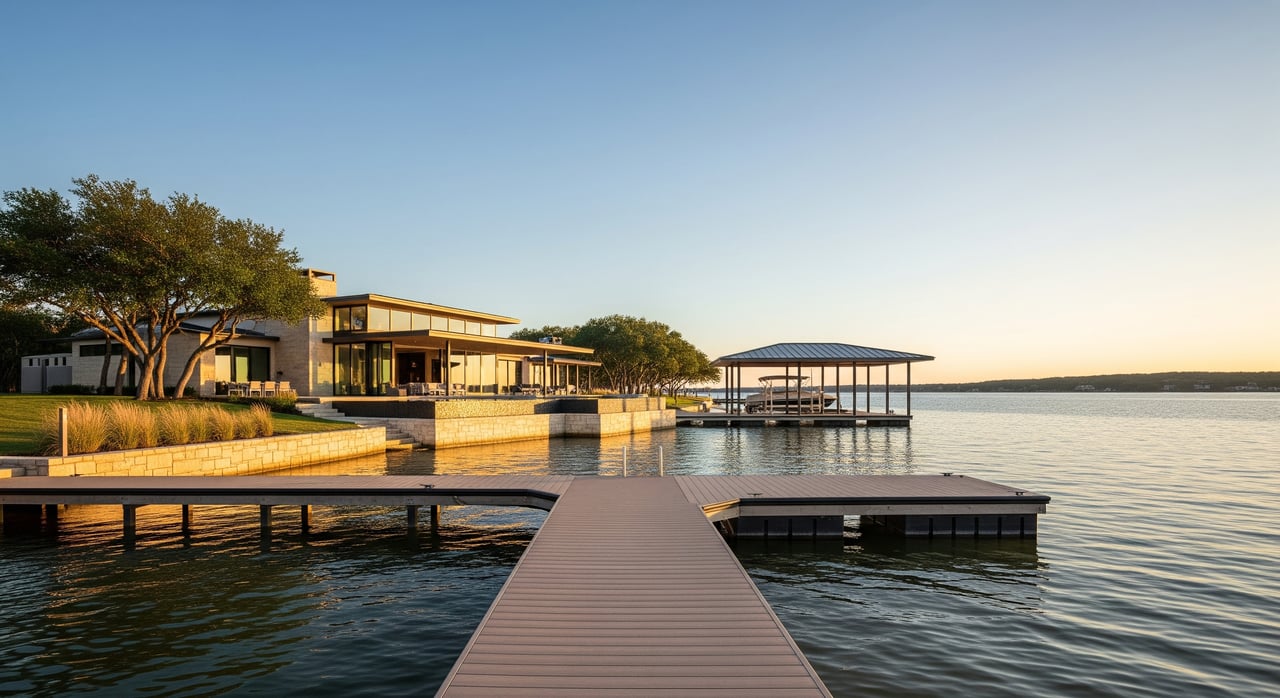
Trying to choose between open water and a quiet cove on Cedar Creek Lake? You are not alone. Many DFW buyers weighing Mabank waterfront homes wrestle with the same tradeoffs: big views and fast access to boating versus calm water, privacy, and lower wake exposure. In this guide, you will learn how each setting behaves on Cedar Creek Lake, what to look for during showings, and how to match a shoreline to your lifestyle and resale goals. Let’s dive in.
Open water and cove basics
Open water lots sit on wide stretches of the lake with an unobstructed line of sight. You typically get sweeping vistas and quick routes to popular boating lanes and marinas. The tradeoff is more wind and more boat wakes.
Cove homes sit in smaller inlets or protected arms off the main basin. They offer shelter from wind and wake, a quieter feel, and more intimate, framed views. Some coves can be narrow or shallower at the edges, which can affect navigation in low water.
On Cedar Creek Lake, the difference is often a matter of degree. Orientation, distance to the main channel, and shoreline shape can make one “cove” behave like semi–open water and one “open water” pocket feel surprisingly protected.
Views and aesthetics
Open water generally delivers panoramic views and dramatic sunrises or sunsets, depending on orientation. If long vistas are your top priority, open water tends to win.
Cove views are more intimate, with tree-lined shorelines and a tucked-away feel. You might face neighboring docks or the cove mouth rather than endless horizon.
Practical note: lot elevation, slope, and treelines often matter more for long-range views than the label of open water or cove alone. A higher, lightly treed lot can outshine a low, flat lot even on big water.
Boat traffic and noise
Expect more visible boat traffic on open water, especially on summer weekends and holidays. Ski boats, pontoons, and jet skis are common, and you will likely see more people on the water.
Coves naturally reduce through-traffic. Many see mostly local use by nearby owners. That said, a cove near a public ramp or popular marina can still be busy during peak times.
To check true conditions, visit at different times. Compare a weekday morning to a Saturday afternoon and a holiday weekend to understand seasonal patterns.
Wave action and wake
Open water has more fetch, which means wind can build bigger waves. Faster boats on big water also create larger wakes. This affects dock durability, shoreline erosion, and comfort for swimmers or paddle craft.
Coves are generally calmer. That makes them great for kayaking, paddleboarding, and relaxed swimming. Docks in protected water may require less heavy-duty engineering, though debris can collect after storms.
If you love wake sports and fast transit to wide open areas, open water will feel convenient. If your vision is easy swimming for kids and quiet mornings on a paddleboard, a protected cove may fit better.
Privacy and seclusion
Open water can be private if the lot is set back and well vegetated, but you will have more visual exposure to passing boats and distant neighbors.
Coves tend to feel quieter and more secluded because the shoreline curves block sight lines. If you prize tranquility, a cove may check more boxes.
Remember that privacy also depends on lot density, driveway layout, and nearby development, not just shoreline type.
Access and navigation
Open water makes it easy to reach main boating routes, marinas, and other lake areas quickly. If you want minimal transit time, this is a plus.
Cove properties may require navigating a longer or narrower channel to reach big water. Very tight coves can limit the turning radius for larger boats. Seasonal low water can make some channels shallow.
Ask for measured depths, both off the dock and in the channel to the main basin, and confirm whether there are overhead obstructions that could affect your boat.
Dock and shoreline factors
On open water, docks often need stronger pilings and lift systems to handle wakes and waves. Shoreline protection, such as seawalls or riprap, may be more important and require more maintenance over time.
In coves, dock designs can be lighter, but shallow bottoms or debris after storms can be a concern. Check whether the cove is maintained and whether depth is consistent during drawdowns.
Permits matter. Installing or replacing docks, lifts, seawalls, or riprap typically requires approvals from the lake’s managing authority and county offices. Confirm the current permit status for any existing structures and ask for copies.
Water levels and insurance
Both open water and coves are affected by reservoir operations and seasonal fluctuations. When the lake is drawn down, cove edges can become shallow.
Confirm the property’s flood zone using FEMA maps and local elevation data. Ask for an elevation certificate and review any past flood claims. Insurance costs and requirements can vary based on flood zone and wave exposure.
If a lender is involved, they may require certain documentation. Get ahead of it by requesting these items during your option period.
Water quality and fishing
Water quality depends on lake-wide conditions like runoff, nutrients, and temperature. Both settings can see algae or aquatic vegetation at times.
Coves may experience more stagnation and weed or algae growth if circulation is limited. Open water can be better for trolling and deeper-water species, while coves often concentrate bass and crappie.
Ask neighbors and local operators about typical seasonal conditions in your area of interest.
Value and resale
Open water with panoramic views often commands a price premium when all else is equal. That premium reflects lifestyle demand from boaters and view-seekers.
Cove lots with excellent privacy, usable shoreline, and strong dock infrastructure can compete well and sometimes match premiums. Resale depends on your future buyer pool. Weekend boaters may favor open water, while families who want a quiet swimming cove may pay up for protection and privacy.
Use recent comparable sales for both cove and open-water homes in the same pocket of the lake to quantify the difference for your short list.
How to evaluate in Mabank
Mabank is a primary gateway for DFW weekenders and relocators. Travel time draws many buyers, and dock usability often sits at the top of the list.
Plan multiple visits before you choose. Compare weekday mornings, weekend afternoons, and a holiday weekend to judge traffic, noise, and wakes. Note wind direction and speed each time.
Ask local marinas, neighbors, and lake patrol about typical conditions in your target area. Their observations will help you avoid surprises.
Buyer checklist
Use this quick list to request documents and ask targeted questions:
- Location to main lake: boating minutes and linear distance to the nearest main basin or ramp.
- Channel depth and turning radius: soundings, recent surveys, or local depth charts. Is the channel maintained?
- Dock condition and permits: copies of dock and shoreline permits or any revocable license. Any restrictions on dock size or motorized use?
- Shoreline protection: seawalls or riprap condition, recent repairs, and who maintains them.
- Flood zone and elevation: FEMA designation, elevation certificate, and any past flood claims.
- HOA or deed rules: boat types, dock designs, rental policies, and noise rules that may affect your plans.
- Water quality and vegetation: history of algae or invasive plants in the immediate area and whether the cove tends to stagnate.
- Neighborhood activity: typical boat types, party frequency, and seasonal crowding. Verify with on-site observation and local conversations.
- Local services: nearest marinas, ramps, fuel, repair, grocery, medical, and emergency response considerations.
Ask for these documents early:
- Recent survey marking the waterline and lot boundaries.
- Dock and shoreline permits or license agreements.
- Seller’s disclosure for shoreline or drainage issues.
- HOA covenants, conditions, and restrictions if applicable.
- Recent comparable sales for cove and open-water homes nearby.
Work with a lake specialist
Choosing between open water and a cove on Cedar Creek Lake is not a one-size decision. It is about matching your lifestyle to the shoreline while protecting long-term value. When you weigh views, wave exposure, privacy, and navigation side by side, you can move forward with confidence.
If you want tailored guidance and access to the latest comps and on-the-water insights in Mabank and throughout Kaufman County, connect with the team that lives the lake every day. Reach out to Debbie French Real Estate Group for a personal consultation and a smarter path to your ideal waterfront.
FAQs
What is considered open water on Cedar Creek Lake?
- Open water means a lot faces a wide, unobstructed stretch of the lake with quick access to main boating routes, which also brings more wind and wakes.
Are cove homes better for swimming with kids?
- Coves are usually calmer and more protected from wakes, which many families prefer for swimming, paddleboarding, and relaxing near the dock.
How do waves affect docks on open water homes?
- Bigger wind-driven waves and boat wakes can increase wear, so docks often need stronger pilings, robust lifts, and well-designed shoreline protection.
Will a cove location limit boat size or access?
- Some narrow or shallow coves can limit turning radius and depth, especially during drawdowns, so verify channel depth and maneuvering room before you buy.
Do open water lots always cost more in Mabank?
- Open water with panoramic views often carries a premium, but private coves with great docks and usable shoreline can compete depending on recent local comps.
How can I check flood risk for a lake home near Mabank?
- Review FEMA flood maps and local elevation data, request an elevation certificate, and ask for any past flood claims during your option period.
What should I ask about dock permits on Cedar Creek Lake?
- Request copies of current dock and shoreline permits or licenses, confirm any size or use restrictions, and verify who is responsible for maintenance or replacement.